3 UNIQUE WAYS TO DRAPE YOUR SARI STYLISHLY FOR A WEDDING FUNCTION

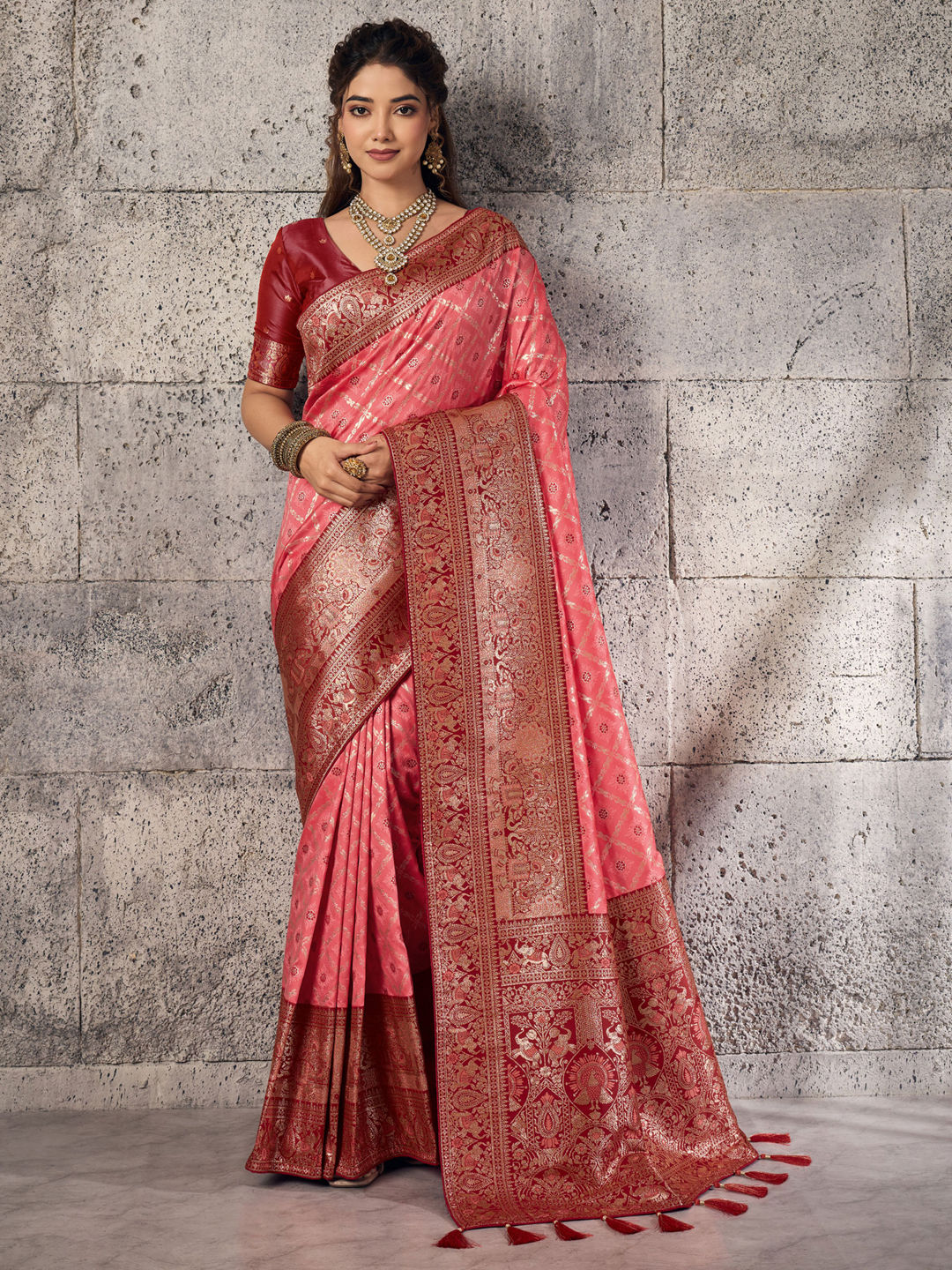
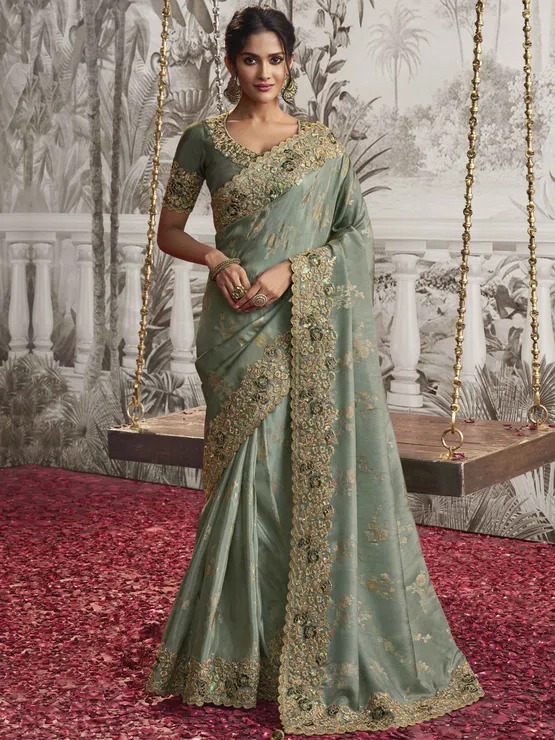
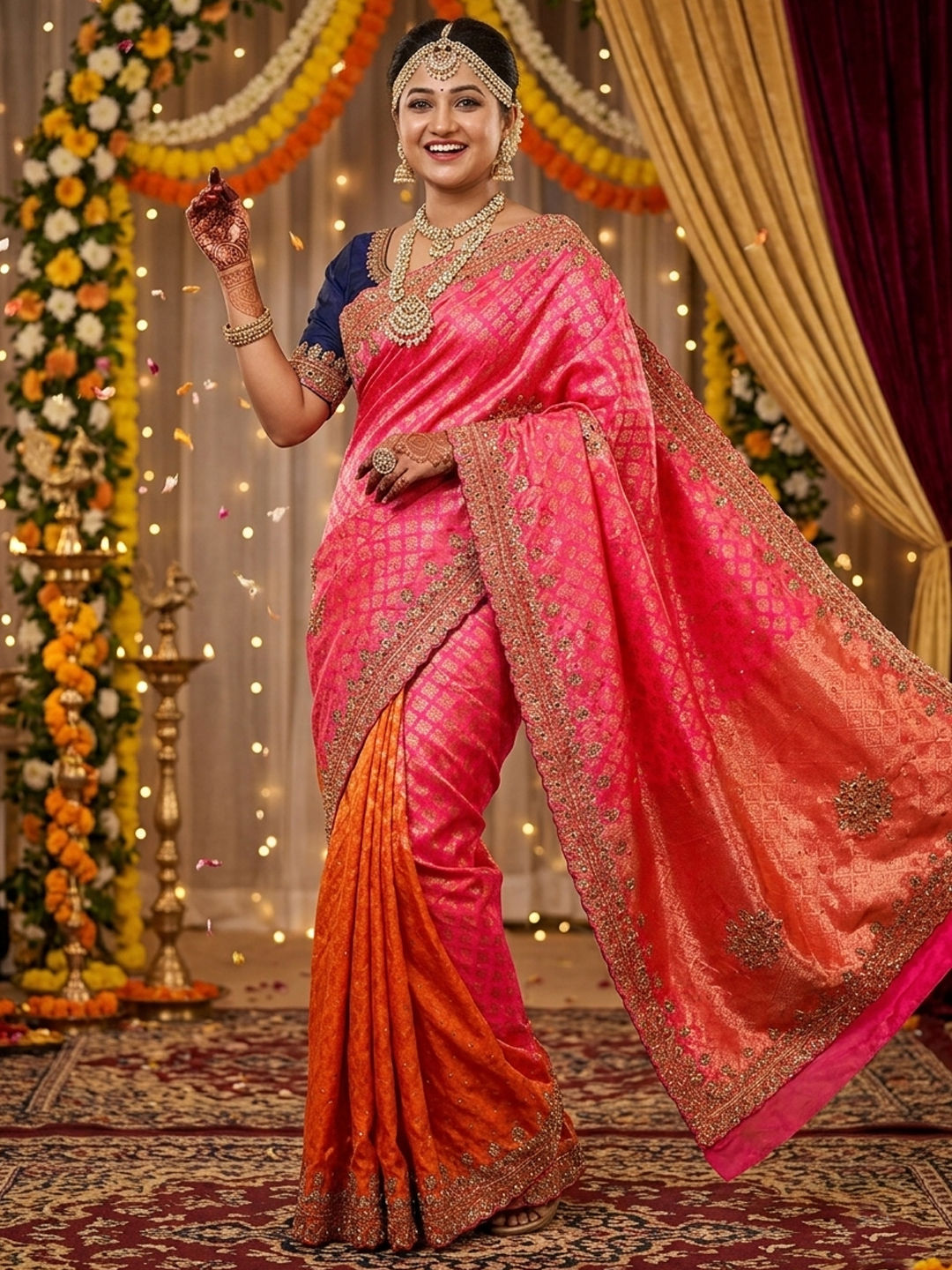
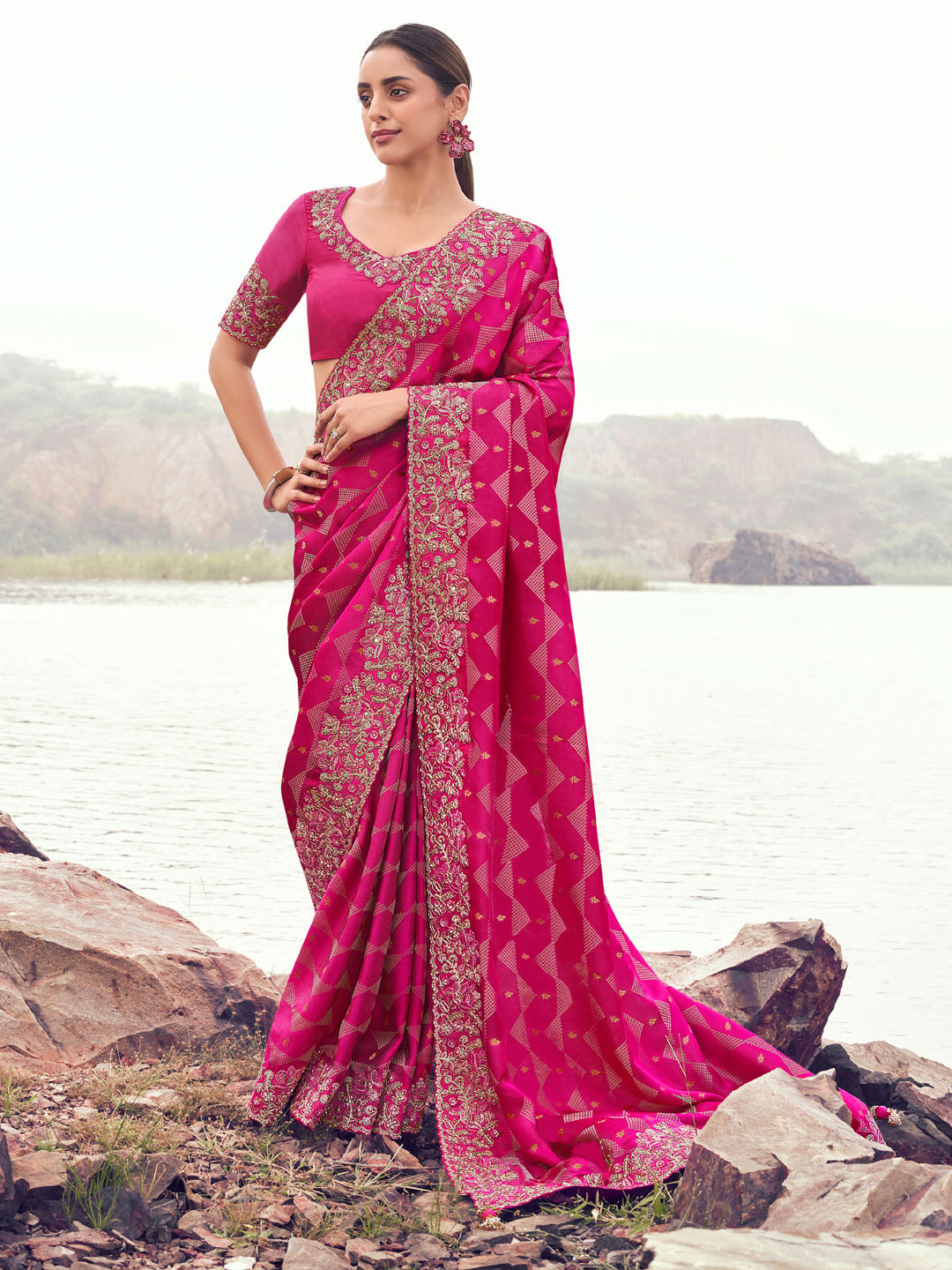
The sari is the ultimate choice of attire for weddings. It suits every woman, regardless of age, shape, height, and weight or skin tone. The graceful sari is a luxurious silhouette that hugs a woman’s curves, giving her a glamorous appearance. It is an ever-green closet staple that never goes out of style. With that being said, when it comes to dressing for a wedding, most women prefer to drape their saris in the traditional style, i.e. open pallu. However, if you want to stand-out in the crowd, consider any of the following stylish ways of draping a sari over traditional saree draping for this wedding season: #1 Conventional Drape The phrase ‘old is gold’ truly captures the essence of

THE STORY OF THE ABAYA

An Abaya is a robe or cloak that is a part Muslim women’s cultural attire. It is a lose, multi-layered garment worn over top of another garment and is meant to provide coverage for the body, except for the face, head, feet and hands. This is a robe style garment that is designed to promote a woman’s modesty. History and Origin of the Abaya The origin of the Abaya can be traced to a verse in the Holy Qur’an. It is this verse that inspired the creation of the Abaya. This doctrine was obtained from the Hadith where it states that the Abaya must be plain and entirely black, covering the body. One of its main purposes is to make

THE COMFY KAFTAN: A COMFY CHIC ATTIRE

The kaftan is a long flowing, loose fitting dress that is synonymous with comfort and relaxed style. The kaftan is a popular dress form worn in many parts of the world, particularly in Persia, the Middle East, Pakistan and India. It is worn in regions where temperatures can soar high during the summers. The loose and flowing nature of the kaftan permits the body to remain cool and enables air circulation. History of the Kaftan The earliest documented use of the kaftan was in the 14th Century during the period of the Ottoman Empire. It was initially worn only by men but because of its modesty, age appropriateness, versatility and ability to suit all body shapes and sizes, it was

ETHNIC JACKETS: A MUST-HAVE FASHION ACCESSORY

Ethnic jackets are worn across all the hilly regions of India. The style of each ethnic jacket is influenced by the regional and climatic elements of the particular state where it is worn. Apart from the many style variations, ethnic jackets are made in both sleeved and sleeveless silhouettes in varying lengths. Worn by both women and men, ethnic jackets have steadily evolved into a necessary fashion accessory! Styles of Jacket :- Nehru Jacket The Nehru style jacket evolved from the Achkan, an attire that was worn in the North Indian courts. It was a type of formal attire. Originally, it was designed as with or without sleeves and extended to the hip, with buttons down the front. Fabrics used

5 CONTEMPORARY STYLE LEHENGAS FOR THE MODERN WOMAN

The lehenga is a long-established part of a woman’s bridal trousseau. However, lehengas aren’t just worn by brides. Women can adorn lehengas for many types of social occasions such as religious ceremonies, parties, receptions and even as attendees at a wedding. From the intricately detailed bridal lehenga to the very simply styled regular wear lehenga, this Indian attire is a true representation of our country’s diversity. Why do women adore the lehenga so much? Perhaps because it truly is a comfortable piece of attire or maybe because it suits many body types, the lehenga is an outfit for every woman. Since its introduction in the Mughal period, the lehenga has evolved into a beautiful work of art. Listed below are

THE KANJEEVARAM SARI: SOUTHERN INDIA’S FASHION LEGEND

The Kanjeevaram sari is a traditional attire that is woven in the village of Kanchipuram, Tamil Nadu. Kanjeevaram silk saris dominate the South Indian sari market. They are the height of sophistication, suitable for any religious ceremony, occasion or wedding. The Origin of Kanjeevaram The King of the Chola dynasty ruled in Kanjeevaram between 985 and 1014 AD. During his reign, he started the silk trade. However when Krishna-Deva Raya took the throne in the early 15th century, the Saligars and Devangas, weaving communities from Andhra Pradesh, moved to Kanjeevaram. Their move marked a historical migration of the silk industry to Tamil Nadu. These two weaving communities had extensive experience and knowledge of silk weaving. The Kanjeevaram sari bears patterns

DORI WORK: AN ANCIENT INDIAN HANDICRAFT

Dori work is an ancient Indian craft that features spectacular embroidery work. This magnificent artwork is achieved with a simple needle and thread. It often uses other stitching techniques such as couching and Zardozi stitching along with the use of fine, multi-colored silk threads. These vibrant threads are used to enhance the motifs and designs of the fabric. The History of Dori The existence of Dori work can be traced as far back as the Cro-Magnon period. Many pieces of fabric were found containing stitch work patterns. These fabrics were also creatively stitched with precious gems in many colors. Traditional Dori work was often worked for members of the royal family. During the Mughal period, emperors often patronized this type

4 UNIQUE SAREE STYLES THAT MAKE DRAPING A BREEZE

The Indian saree is an elegant attire that has stood the test of time. It looks good on all women. Unfortunately, many women find wearing a saree very challenging and this can be contributed to the loss of its appeal. Part of the challenge lies in making perfect pleats and wearing the dupatta. To conquer these difficulties, there are four unique saree styles that you can try, which will help you put on this graceful attire without feeling overwhelmed. These four unique saree styles are: #1 Ready-made Pleated Sarees Ready-pleated sarees are a boon for women who simply are unable to make pleats. These are sometimes called pre-stitched sarees because the waist and pleats are readymade. With this saree type,

4 TRADITIONAL SAREES THAT SHOULD GRACE EVERY WOMAN’S CLOSET

One of the most noticeable features about any Indian wedding, ceremony or festival are the elegant saree ensembles. Although just six yards of fabric, the saree transforms into a stunning piece of clothing when it is wrapped and draped around the body. The saree accentuates and flatters all body types and shapes. It truly is one of the most versatile attire around. This versatility is also seen in different types of sarees that arise from all over India, particularly from Gujarat, Bengal, Maharashtra and South India. Each region has its own special weave, colours, motifs and materials that it works with to produce what could arguably be the best cultural representation of that region. If you have a passion for

8 COTTON KURTIS STYLES EVERY WOMAN SHOULLD HAVE IN HER CLOSET

The average Indian woman is like an octopus; with just two hands she tries to manage her home, her family and her career, leaving little to no time for herself! As a result, dressing for comfort becomes a priority and a necessity. Nothing screams comfort better than cotton. Today’s designers have kept the modern Indian woman’s needs in mind to come up with 8 must-have cotton kurti styles that provide suitable attire for every occasion, ranging from home to the office. These are: 1. Long Printed Kurti It is a trendy style featuring a Chinese collar and ¾ sleeves. You can wear this cotton kurti to work and at home while entertaining guests. 2. Tail-cut Kurti Designed to enhance a

RECENT POSTS

10 Celebrity Bridal…

Posted August 26, 2026 By Anika Singh

30 Types Of…

Posted August 20, 2026 By admin

Bridal Saree Color…

Posted August 13, 2026 By Anika Singh

Explore India’s Most…

Posted August 7, 2026 By Muskan

CATEGORIES

FIND US ON FACEBOOK

TAGS

Our Achievement

Top-Indian-Fashion