Indian traditional saree styling is limitless and offers several drape techniques, both contemporary and traditional. However, the drape technique becomes very important when you are a short woman, as styling the drape poorly can interrupt the flow of the saree, making you look shorter.
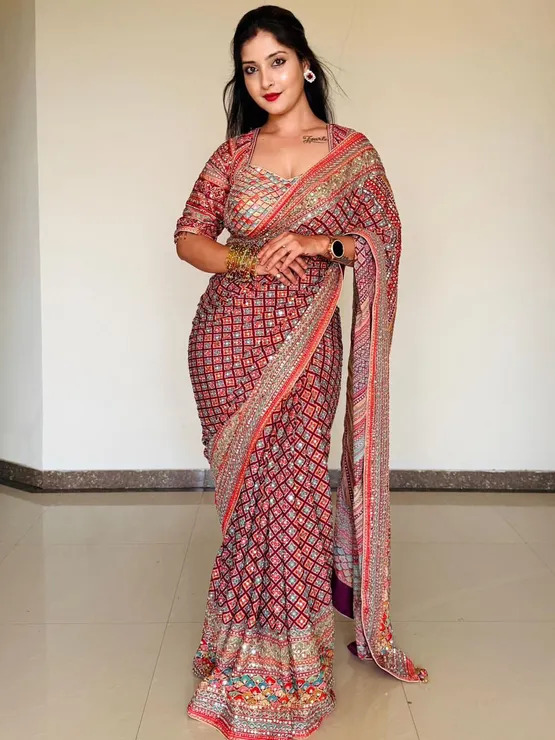
There are styling and drape choices, such as using an oversized border and too many bulky pleats, that cause a visual interruption to the drape, causing a person to appear even shorter. The great thing is that you do not have to settle for less fabric or ugly wedding designs to look taller, but only need to make small and mindful changes in drape technique to have a longer and better proportioned look.
7 Saree Draping Mistakes Short Women Should Avoid
Do you find saree draping tricky because of your short height? Don’t stress, there are plenty of women who feel the same way! Check out these common draping blunders short women make and learn how to fix them for good!
1. Choosing Extremely Wide Saree Borders
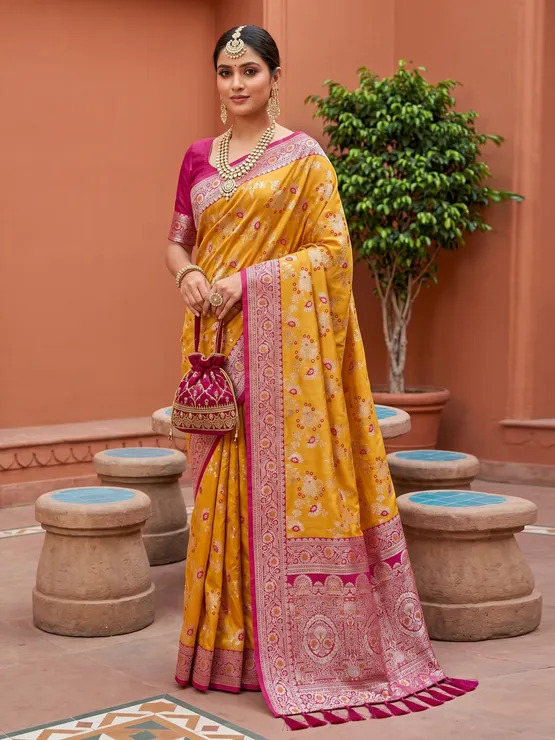
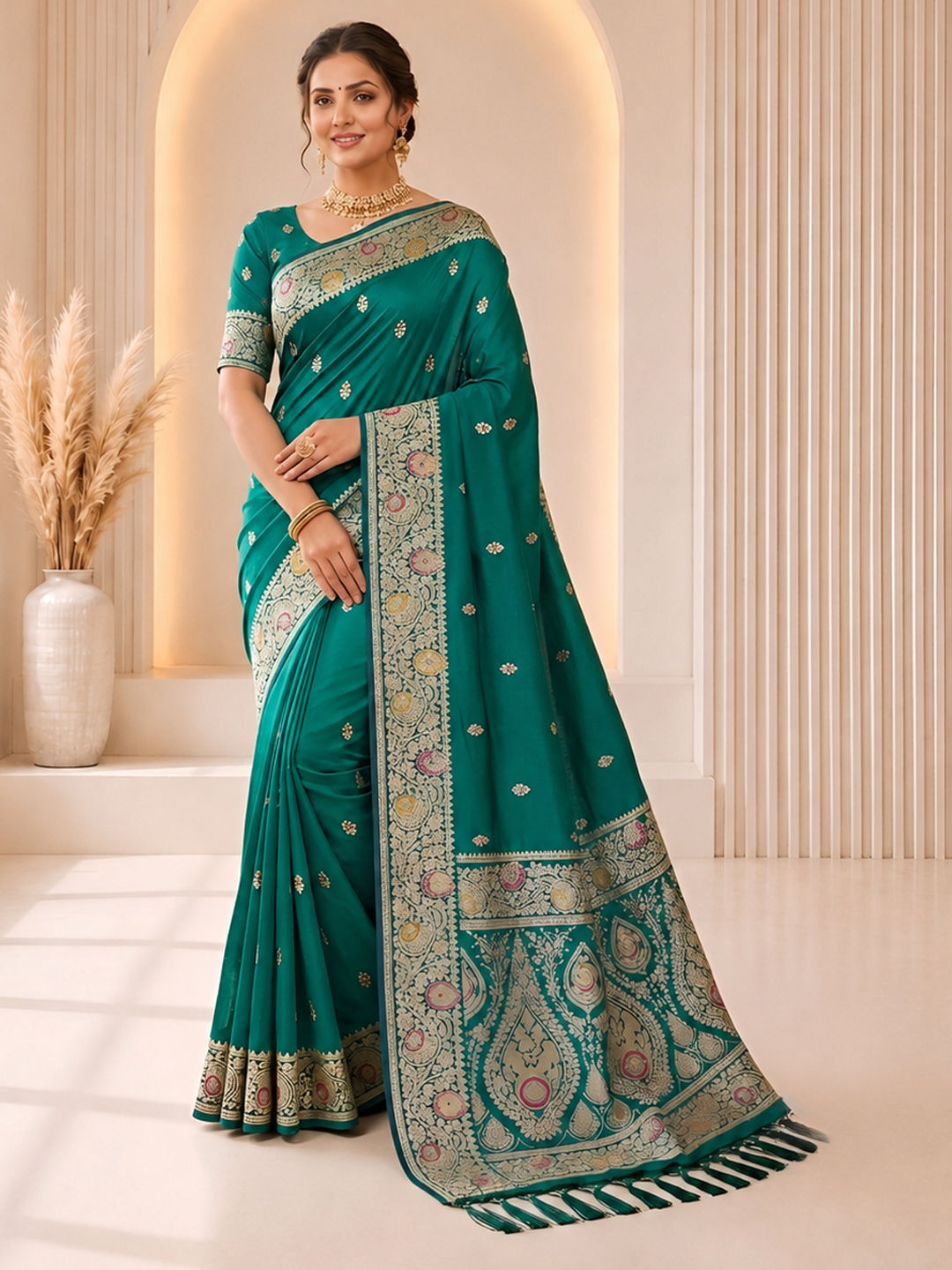
Wearing a sari with a thick, heavily adorned border is one of the more common styling mistakes. Thick zari borders look stunning and luxurious, especially on Kanjivaram and Banarasi silks, but can visually shorten the legs and create an uneven-looking ensemble.
What to do instead: Choose a sari with a medium to narrow width border. Delicately placed zari work, simple embroidery, and smaller design elements will help achieve the overall appearance of the outfit looking less segmented while keeping the traditional look.
Style Tip: In the event you choose a wide border, compensate by using a properly tailored blouse and elegantly styling the pallu.
2. Creating Too Many Bulky Front Pleats
While front pleats play a major role in draped sarees, many have an issue with too much fabric bunching at the waist. Wide pleats also make a mess out of the drape of the saree.
What to do instead: Create five to seven even pleats based on the saree material and the amount of material available. Make them thin and keep them straight from the waist down.
Drapes of lightweight chiffon and georgette material are particularly suited to neat and slender-looking drapes.
3. Wearing the Pallu Too Long and Loose
An ankle-length pallu disrupts your proportions, and similarly, bulky fabric piled at the shoulder can make your outfit look unbalanced.
What to do instead: Drape the pallu over your shoulder so the length is even and suits your height. For more elegance, pleat the pallu. You can also showcase the design of your pallu with open arrangement.
Choose a drape for your shoulder, specifically structured for weddings, which will not overstuff your body with fabric.
4. Draping the Saree at the Wrong Waist Level
The way you drape your saree can determine how you look, especially in relation to how you wear your legs. Drapping the saree too low makes your legs appear short and drapes too high look clumsy.
What to do instead: You can comfortably wrap your saree around your natural waist. Try to make sure your front pleats and hemline are centered, rather than aligning it based on the directions of some tutorials on how to wrap sarees.
To achieve comfort, you need to align your saree placement so it compliments your body proportions and enables comfortable movement, like walking and sitting.
5. Pairing the Saree with an Oversized or Ill-Fitted Blouse
As more than just an afterthought, the cut and details of your blouse play a major role in how your saree will look.
Bulky or sagging sleeves and too-long or loose blouses will result in an ill-fitting appearance. Too tight and you will have problems with mobility, and you risk an unflattering look with unwanted bulging or tightness around your arms and back.
What to do instead: With so many choices of styles, length, sleeve style and fit, you must first take your saree and find a well-tailored blouse to go with it. Balanced necklines, shorter length, and well-designed sleeve length will achieve the desired outcome.
An interesting style for the modern day bride would be a V-neckline, sweetheart blouse that is closely fitted.
6. Ignoring the Impact of Saree Fabric and Prints
Not all fabrics used to make sarees have the same behavior. If you use too much stiff material or go overboard with the printing, then you will make your saree too large and your ensemble very cluttered.
With certain designs and prints, the choice becomes simpler for petite ladies.
Also Read: 30 Types Of Wedding Saree Fabrics
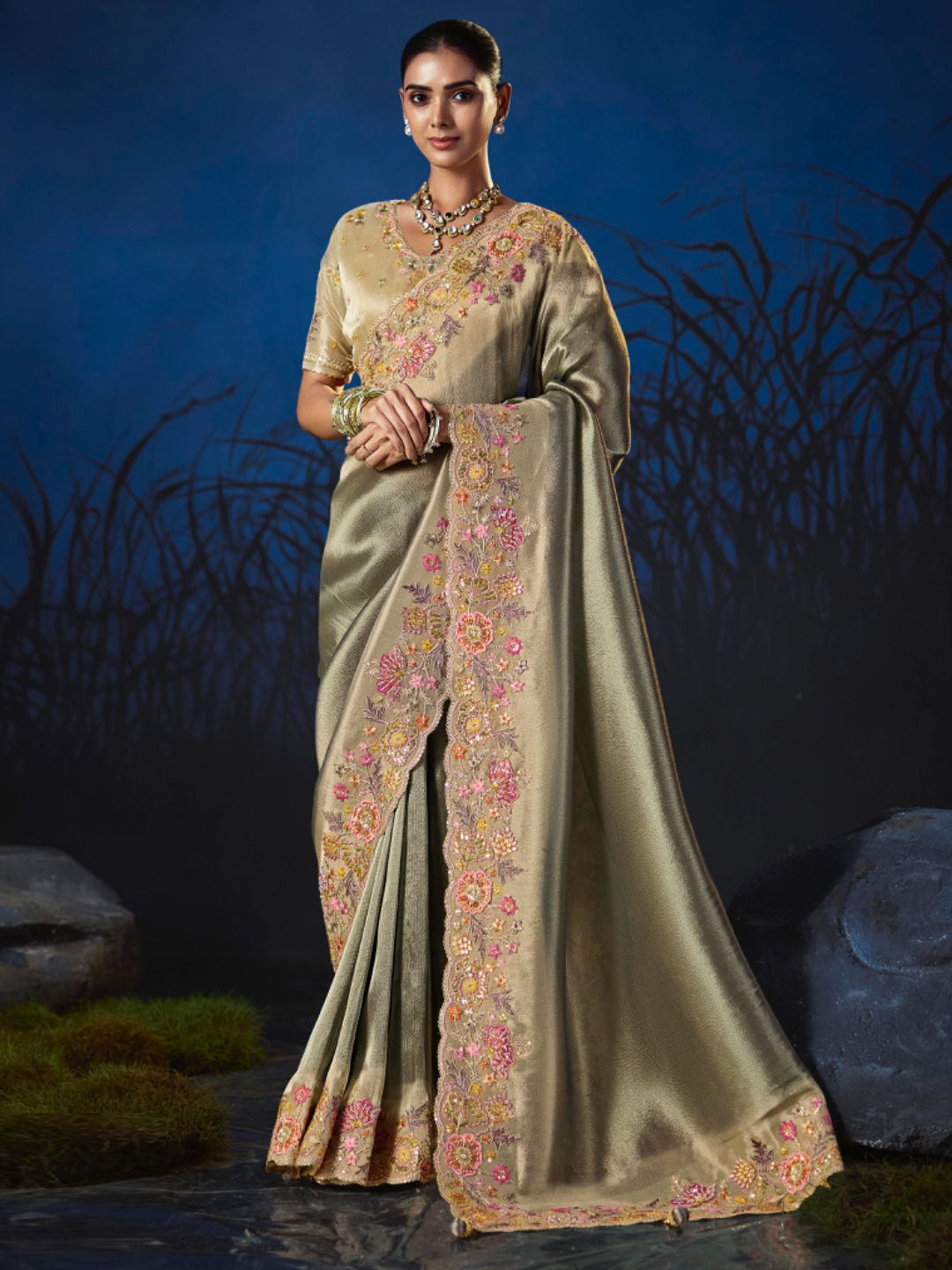
What to do instead: Instead of heavy fabrics like silk and crepe, there are fabrics such as georgette and chiffon, and also soft silk. These are lightweight fabrics. The drapery of sarees becomes much more effortless. Along with the smaller patterns and smaller embroidered designs, the vertical design creates the appearance of being taller.
It’s ok to use silks even for weddings. Simply pay more attention to the drape of the pleats and embellishments so that you don’t have to stay away from traditional sarees entirely.
7. Wearing Flat Footwear Without Adjusting the Saree Length
Many people don’t think about their footwear when styling their sarees, and only wear them once the rest of the ensemble is ready. Doing this could leave you dragging your saree on the ground because the fabric could fall below the level of your shoes.
What to do instead: Sarees need to be measured carefully against your footwear before the drape begins, so your heels (or flats) should be worn beforehand. Saree fabric should fall around, but not rest on, the floor.
Heels don’t have to be uncomfortably high; kitten heels, low blocks, and even dressy wedges are fine. Just ensure your footwear is selected first.
Saree Draping Comparison: Mistakes vs Better Styling Choices
Here are a few quick tips on saree styling for women with a shorter build.
| Styling Element | Mistake to Avoid | Better Styling Choice |
| Saree Border | Extremely wide borders | Narrow or medium borders |
| Front Pleats | Bulky and uneven folds | 5–7 neat, balanced pleats |
| Pallu | Excessively long and loose | Structured or balanced pallu |
| Waist Position | Draping too low | Comfortable natural-waist placement |
| Blouse | Oversized or poorly fitted | Well-tailored blouse |
| Fabric | Excessively stiff and bulky drape | Lightweight, fluid fabrics |
| Footwear | Changing footwear after draping | Adjusting saree length with chosen footwear |
Quick Saree Styling Figures for Short Women
You can use these simple suggestions for inspiration when you are designing your next saree outfit. They are good jumping-off points, rather than fixed rules in fashion.
| Styling Detail | Suggested Starting Point |
| Front pleats | Approximately 5–7 |
| Saree border | Narrow to medium width |
| Pallu arrangement | Neat shoulder pleats or balanced open drape |
| Prints | Small to medium motifs |
| Fabric preference | Georgette, chiffon, crepe |
| Footwear | Low block heels or kitten heels |
Which Saree Styles Works Well for Short Women?
Choosing the right draping style can make your outfit look more coordinated without compromising your personal fashion preferences.
- Classic Nivi Drape: Its structured front pleats and balanced pallu create a clean, traditional appearance.
- Belted Saree Drape: A slim waist belt can define the waistline and give a contemporary touch to your wedding outfit.
- Seedha Pallu Drape: A neatly arranged pallu can highlight traditional embroidery while keeping the overall appearance organised.
- Open Pallu Drape: A lightweight saree with a carefully arranged open pallu can create an elegant, flowing look.
Final Words
No matter how short you are, sarees shouldn’t stop you from expressing your love for ethnic sarees. Sarees can be worn to weddings, festivals, family functions, and more. There are techniques such as drapery, balance and proportion, and draping pleats that can enhance the drape.
By following these seven steps, you will be able to avoid wardrobe disasters when draping a saree and confidently pull off your favorite saree designs. Sarees can range from a more traditional georgette to a lighter chiffon and are available at Indian Wedding Saree.
Draping is much more than looking taller; it’s more about being able to feel elegant, comfortable, and confident in your choice of drape.
How many pleats should short women make?
Around 5–7 neat front pleats are a good starting point, depending on the saree fabric.
Which saree borders are best for short women?
Narrow and medium-width borders can create a more balanced and elongated appearance.
Which saree fabrics are best for petite women?
Georgette, chiffon, crepe, and lightweight silk are excellent choices for a smooth drape.
Can short women wear heavy Banarasi sarees?
Absolutely! Pair them with a fitted blouse and neatly arranged pleats for an elegant look.