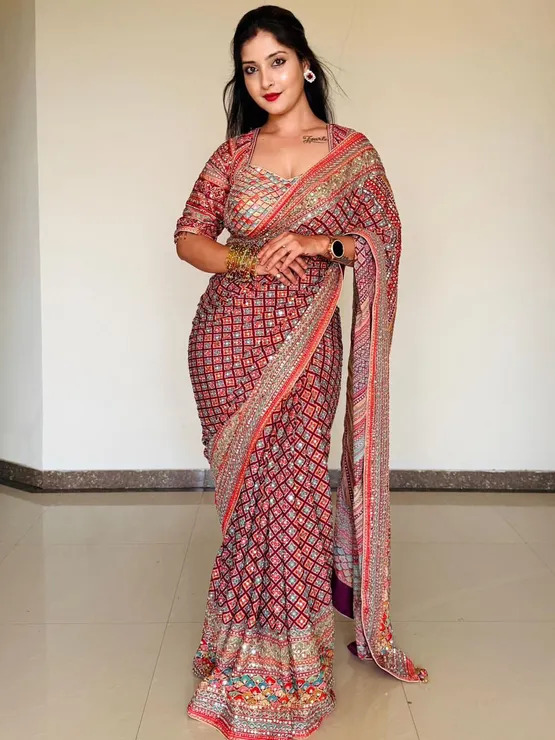
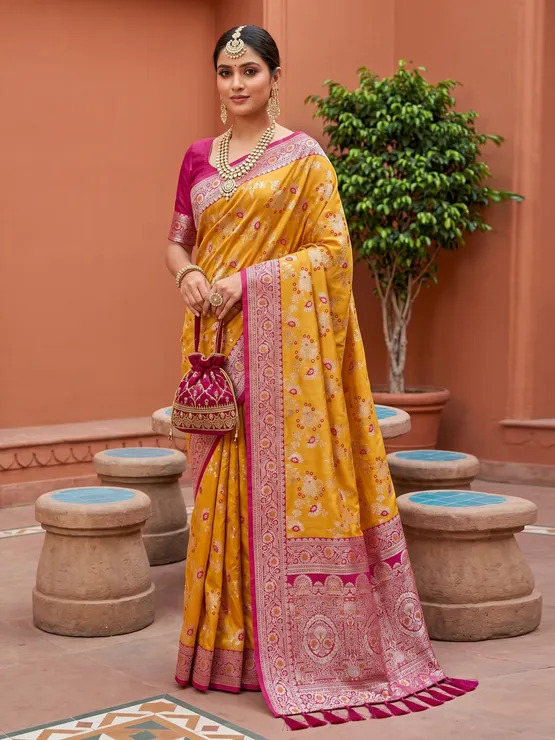
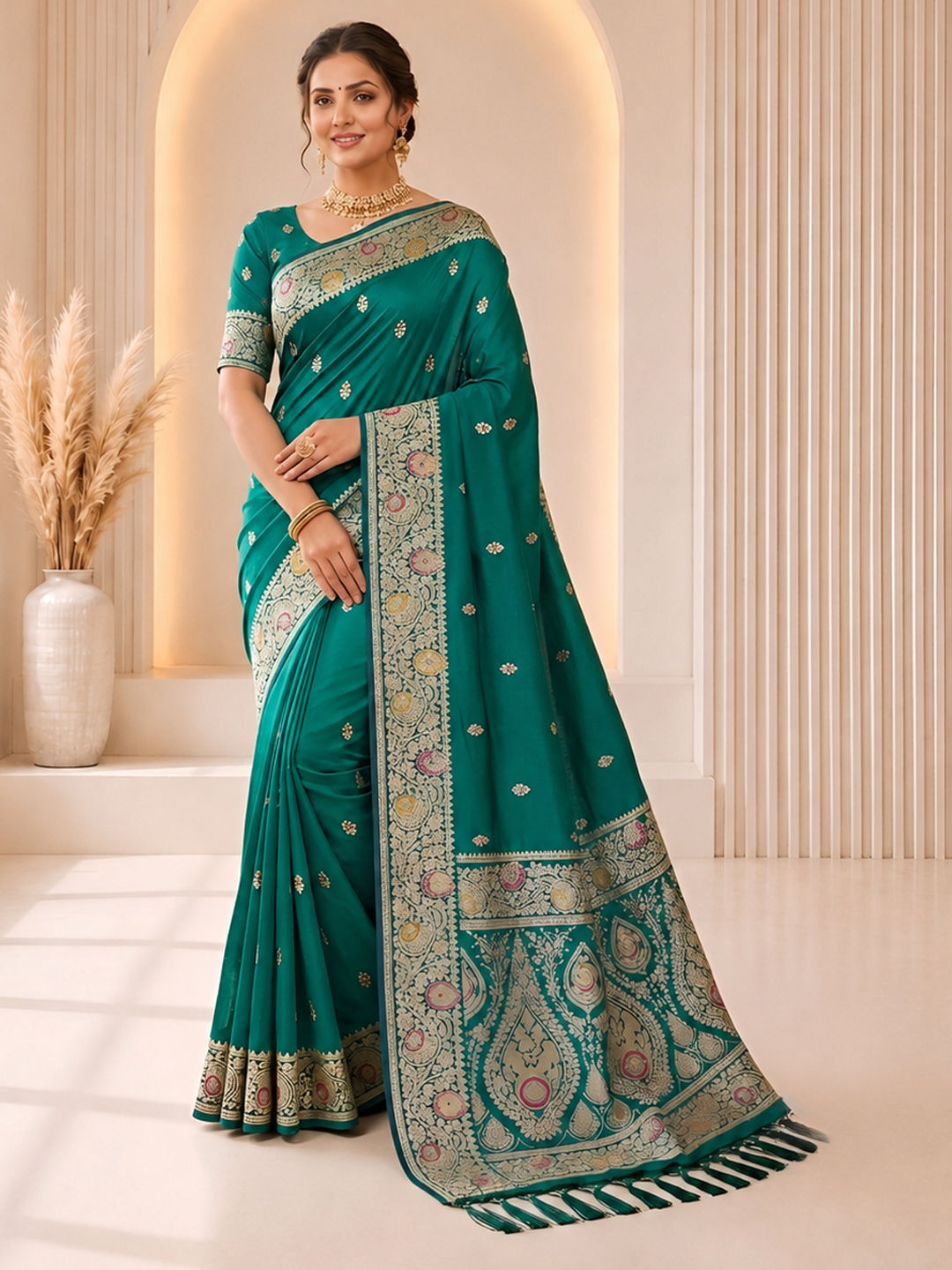
The popularity of sarees is partially because they are easy to wear, as there are many different options, even with simple adjustments. With different options for saree blouses, there are several ways for plus size women to wear them comfortably and elegantly.
Many women follow rules and guidelines for saree draping, though saree wearing plus sized women have more freedom. With a sense of how the overall outfit fits, different saree drape options can allow the plus sized woman to wear sarees elegantly and comfortably.
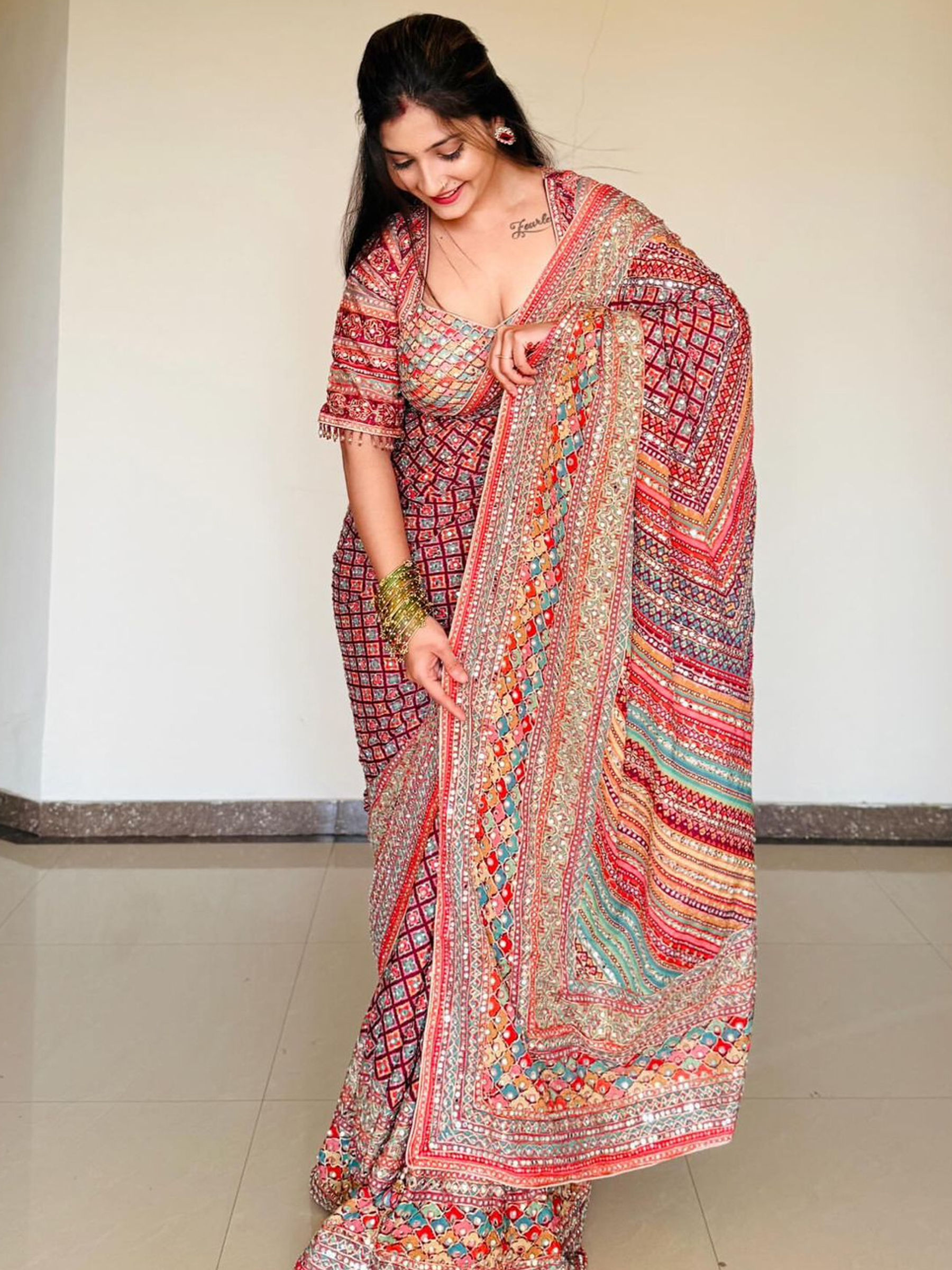
12 Saree Styling Secret Tips That Enhance Your Look
These 12 saree styling tips can be used for any formal occasion, such as weddings, festivals, or family gatherings, and will assist you in putting your own spin on every style.
- Let the Fabric Decide the Flow of Your Saree
Fabric determines how a saree falls, moves and feels throughout the day. Lightweight materials such as georgette, chiffon and crepe offer fluid draping, while silk creates a more traditional and structured appearance.
Choose according to the occasion, weather and your comfort rather than following one fixed rule.
2. Find Your Signature Blouse Silhouette
A well-designed blouse can completely transform a saree. Instead of choosing a design simply because it is trending, consider its neckline, sleeve length and overall fit.
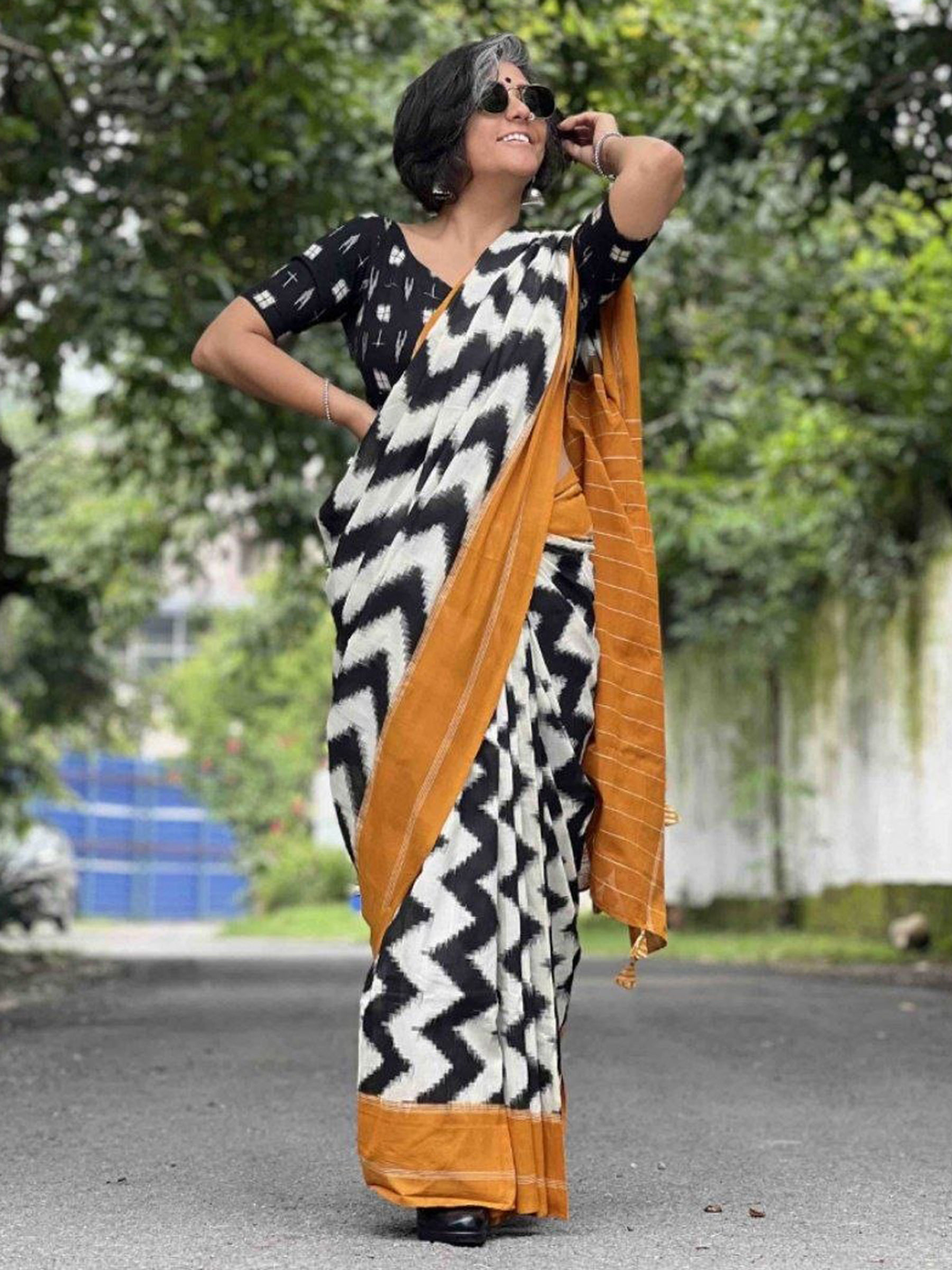
V-neck, sweetheart and square-neck blouses are interesting options to experiment with. Elbow-length sleeves and three-quarter sleeves can also create an elegant traditional appearance.
Style secret: Ensure the blouse provides enough room around the bust, shoulders and arms without pulling or creating uncomfortable creases.
3. Experiment with Border Widths
Saree borders influence the overall visual balance of an outfit. A delicate border creates a subtle finish, while a broad zari border introduces a more traditional and dramatic appearance.
If your saree has a heavy border, balance it with a thoughtfully designed blouse and jewellery that complements the detailing.
4. Give Your Pallu a Personal Touch
The pallu is one of the most expressive parts of a saree. You can experiment with a neatly pleated shoulder drape, an open pallu or a contemporary belted arrangement.
For heavily embroidered sarees, a neatly arranged pallu allows the craftsmanship to stand out. An open pallu can work beautifully when you want to showcase intricate patterns.
5. Choose Prints That Reflect Your Personality
Floral motifs, geometric patterns, traditional butis and abstract prints all create different fashion statements.
Smaller motifs offer a delicate appearance, while larger prints can create a bold and artistic look. Rather than avoiding particular patterns, experiment with their placement, spacing and colour combinations.
6. Explore Colours Beyond Traditional Dark Shades
There is no reason to restrict your saree wardrobe to black, navy blue or maroon. Emerald green, wine, lavender, mustard, blush pink and royal blue can all create beautiful outfits.
Consider your personal colour preferences, jewellery and occasion when selecting a shade. Contrasting blouse colours can also introduce a fashionable twist.
7. Make the Right Petticoat Your Foundation
The petticoat is often overlooked, but it plays an important role in creating a smooth saree drape.
Choose a comfortable, properly fitted petticoat that provides sufficient room for movement. Mermaid-style or A-line options can be explored depending on the saree fabric and desired silhouette.
Avoid excessively tight waistbands that make sitting and walking uncomfortable.
8. Use Belts to Introduce Contemporary Elegance
A saree belt can add definition and give a traditional outfit a modern appearance.
Metallic kamarbandhs, embroidered belts and fabric waistbands are excellent options for festive and wedding looks. Coordinate the belt with your jewellery or saree border to maintain a harmonious appearance.
9. Select Jewellery According to the Saree
Jewellery should complement your saree rather than compete with it.
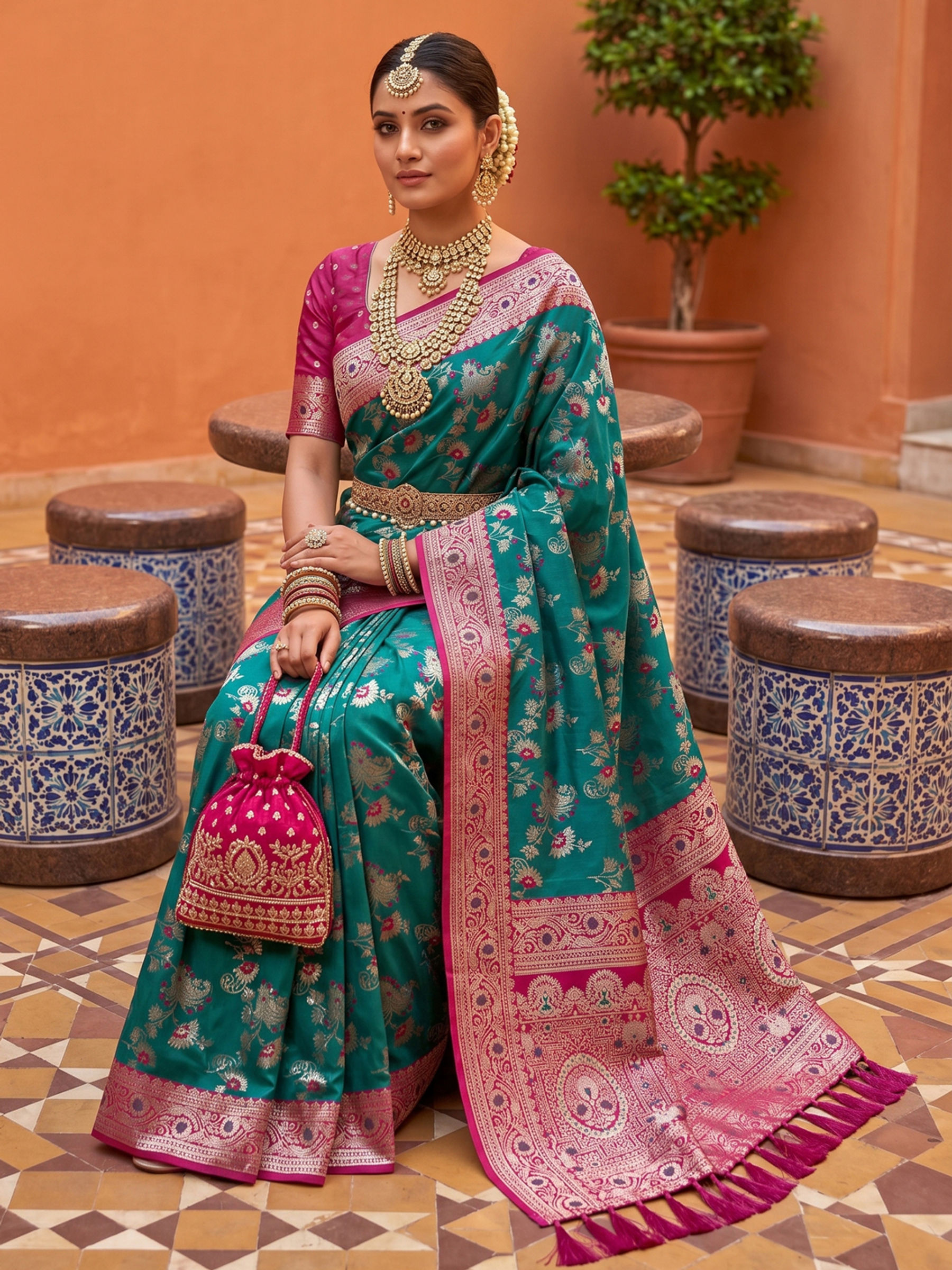
For a heavily embroidered Banarasi saree, traditional gold-tone jewellery can create a beautiful combination. For lightweight chiffon or georgette sarees, statement earrings or a delicate necklace can offer a more contemporary finish.
10. Pay Attention to Footwear Before Draping
Footwear affects the final length and fall of your saree. Select your heels, wedges or flats before beginning the draping process.
Comfortable block heels are particularly useful for long wedding celebrations. Make sure the saree hem allows you to walk naturally without stepping on the fabric.
11. Balance Your Accessories with the Occasion
A wedding saree, festive saree and office saree do not require the same styling approach.
For weddings, experiment with embroidered clutches, traditional bangles and statement earrings. For daytime functions, consider lighter jewellery and understated accessories.
The goal is to create a coordinated outfit without making every element compete for attention.
12. Prioritize Comfort and Confidence Above Trends
The most beautiful saree is one that makes you feel comfortable and confident. Check the blouse fit, waistband, pleats and shoulder arrangement before leaving home.
Walk, sit and move around while checking your outfit. A saree that looks beautiful in a photograph should also feel comfortable throughout the celebration.
Also Read – Plus Size Women Are Loving These Salwar Kameez Styles
Saree Styling Comparison: Finding the Right Combination
Different styling elements create different visual effects. Use this comparison to understand which combinations you can experiment with.
| Styling Element | Options to Explore | Overall Look |
| Fabric | Georgette, chiffon, silk | Fluid or structured |
| Blouse neckline | V-neck, square, sweetheart | Contemporary or classic |
| Sleeves | Elbow-length, three-quarter | Traditional elegance |
| Border | Minimal, medium, broad | Subtle or dramatic |
| Pallu | Open, pleated, belted | Flowing or structured |
| Petticoat | A-line, mermaid | Different drape profiles |
| Jewellery | Statement earrings, necklace | Minimal or grand |
Quick Saree Styling Figures to Remember
These are practical starting points, not strict body-type rules.
| Styling Detail | Suggested Measurement |
| Standard saree length | Approximately 5.5 metres |
| Matching blouse fabric | Often around 0.8 metres |
| Front pleats | Around 5–7, depending on fabric |
| Sleeve length | 10–15 inches for an elbow-length style, depending on proportions |
| Saree trial | At least one complete trial before the event |
Always check the actual saree measurements and customize blouse dimensions according to your body and design.
Final Words
With the saree, styling shouldn’t be about bending your body to a fashion. It’s about being bold enough to bring out your style and person through Banarasi silk, and even through Georgette.
Explore different saree materials and looks to find the perfect style. Here at Indian Wedding Saree, we want you to look good but also feel good about your look. But the key to pull off the look is the right level of confidence.
Which blouse designs look elegant on plus-size women?
V-neck, square-neck and sweetheart designs with properly tailored sleeves are worth exploring. The correct fit is more important than the neckline alone.
Can plus-size women wear organza sarees?
Absolutely! Organza sarees can create beautiful structured looks. Pair them with a comfortable, well-fitted blouse and accessories that complement their texture.
Are printed sarees a good choice for curvy women?
Yes. Floral, geometric and traditional prints offer plenty of styling possibilities. Choose patterns based on your personal taste and the overall outfit.
How can I make my saree comfortable for a long wedding function?
Choose breathable fabric, a properly fitted blouse, secure pleats and comfortable footwear. Test your complete outfit before the event.