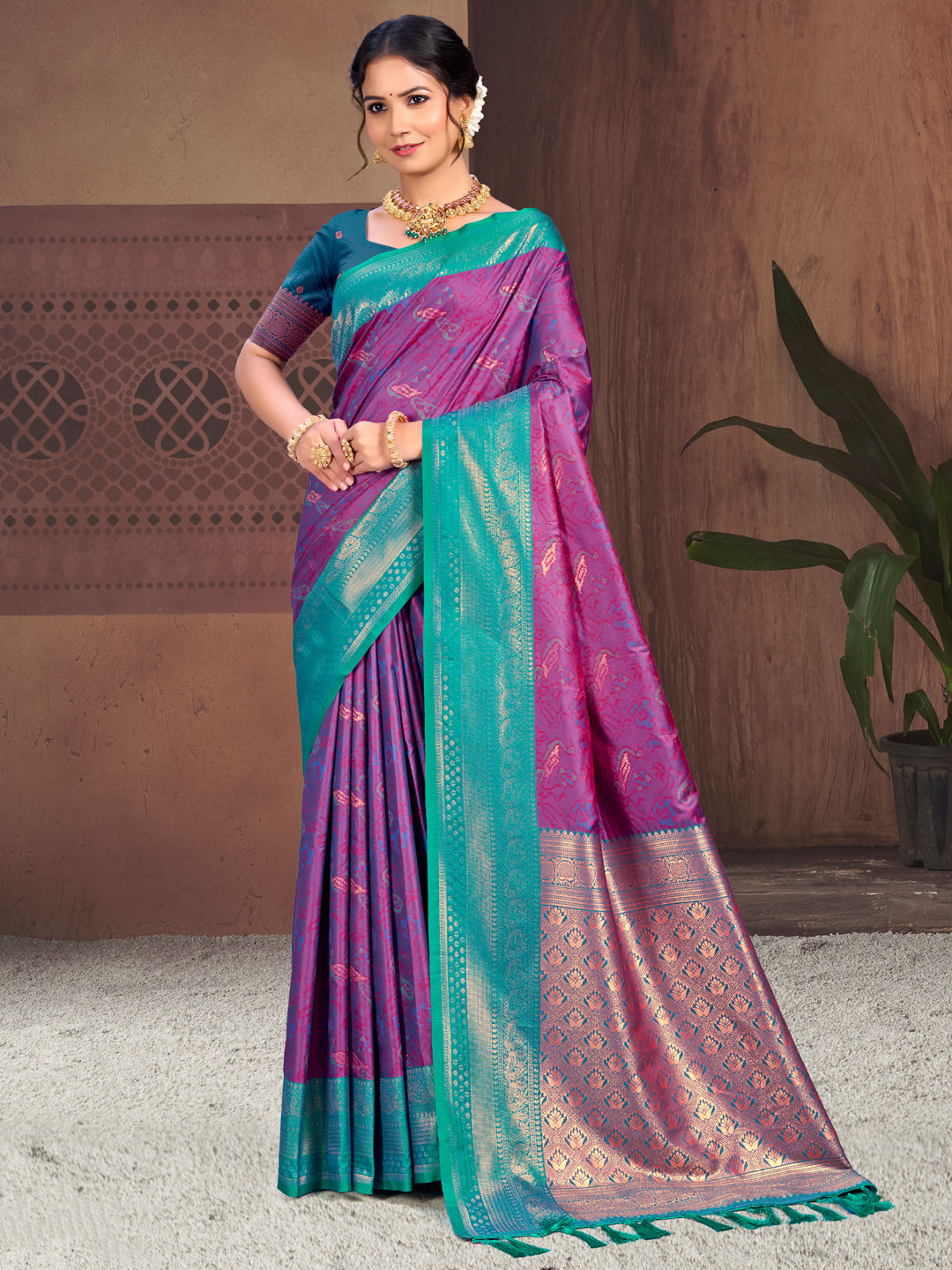
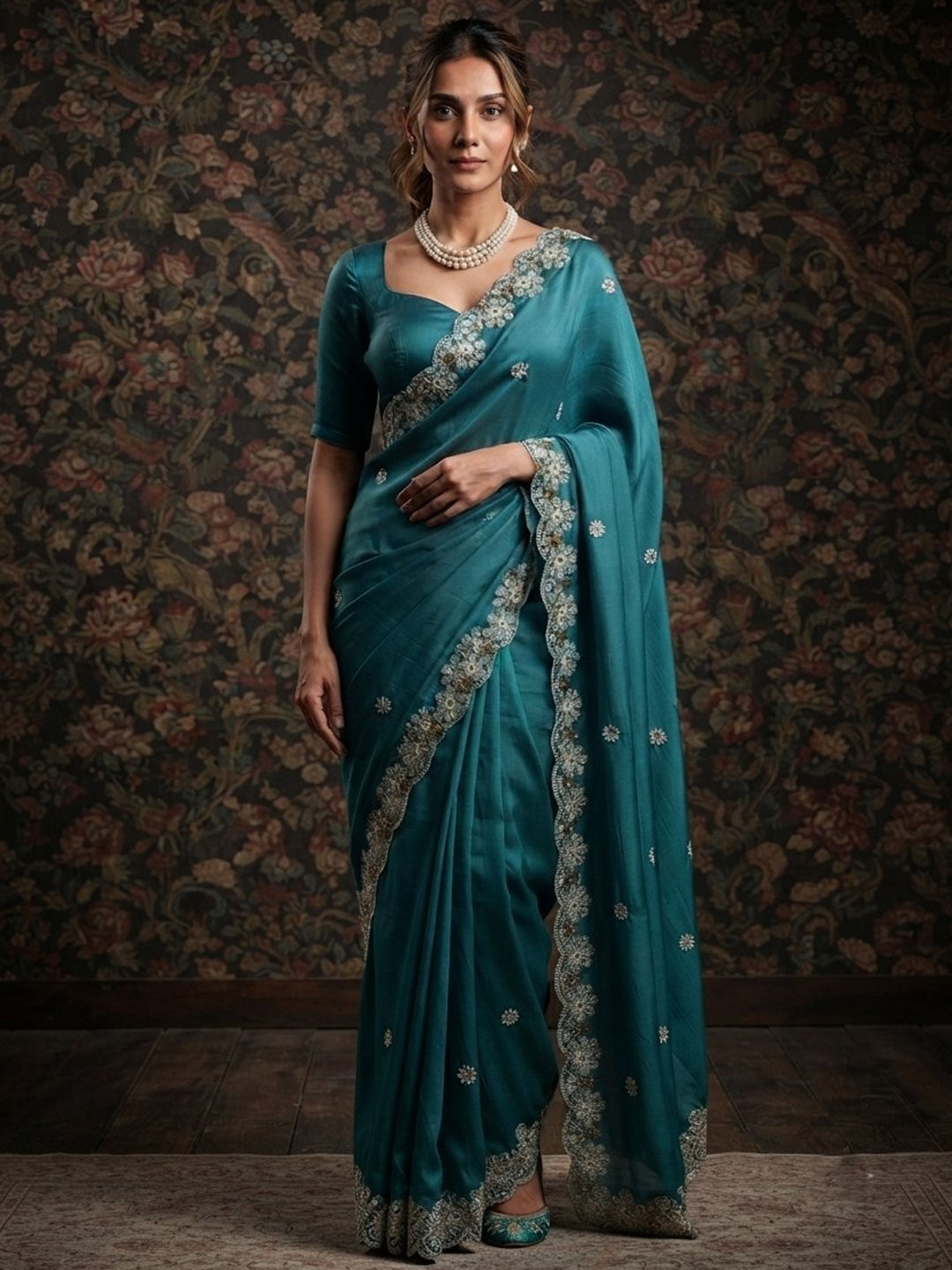
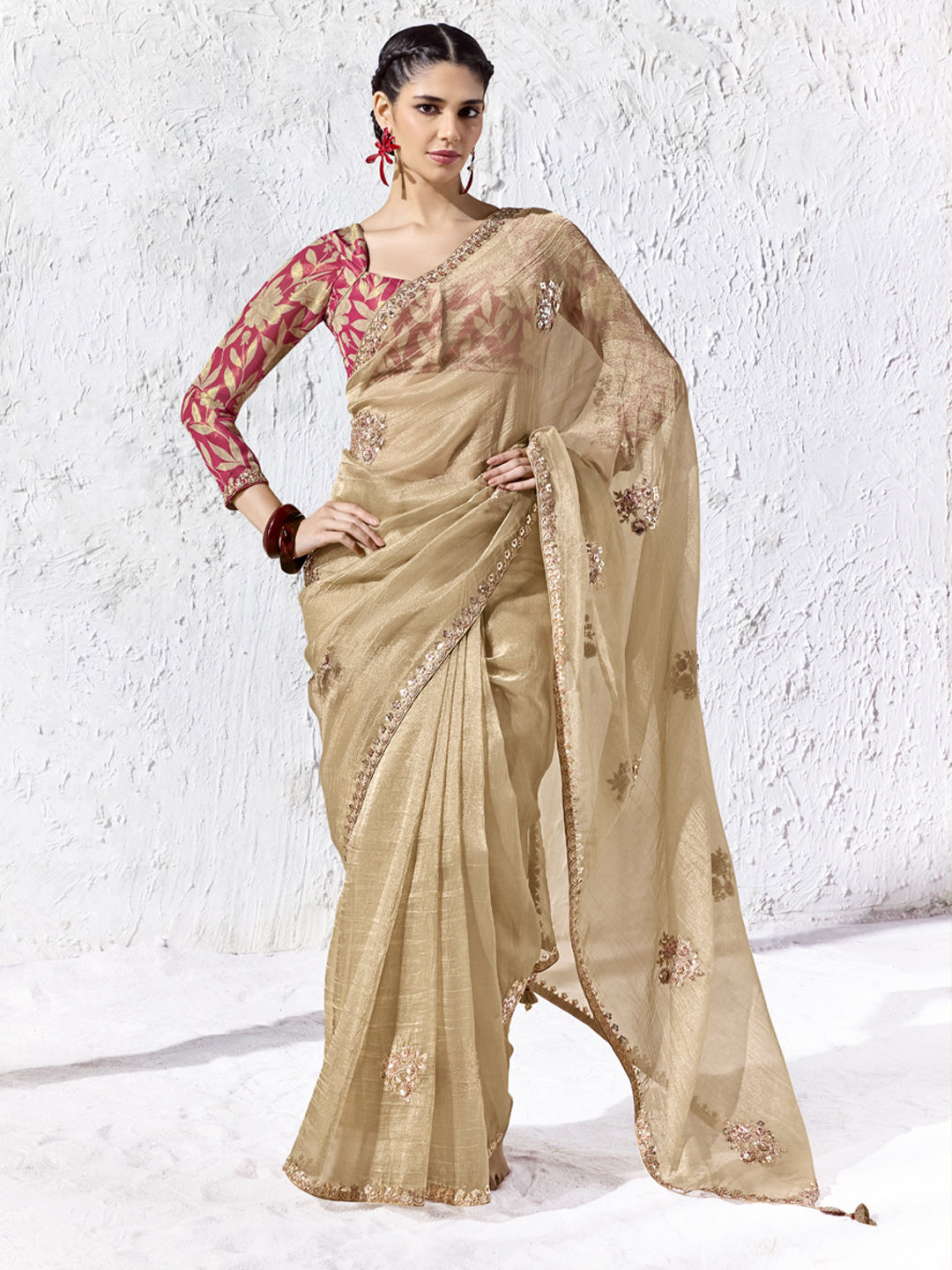
These Rajasthani Kota Doria sarees have always captured the fascination of most women due to their lightweight properties and distinctively neat, square pattern known as khat checks. Their airiness, versatility, and adaptability, especially when the temperature gets hot and most sarees tend to get cumbersome, make them the favorite sarees of women on almost all occasions, even in ceremonies within the family.
A number of suppliers sell imitations of the genuine article that look similar. It is important to inspect the sarees prior to payment.

To authenticate a real Kota Doria and identify a fake, observe the weaves, composition of the threads, texture and details provided. When buying a Kota Doria, ensure there is authentic paperwork associated with it to eliminate doubt. This ensures a buyer gets more than their money’s worth when buying such items.
What is an Original Kota Doria Saree?
Original Kota Doria sarees are from the regions surrounding Kota, Rajasthan, where the handloom weaving community originally lived. They are very lightweight and see-through. They also feature a unique weave with rectangular khats.
The classic Kota Doria fabric combines cotton and silk in its weave. Cotton makes it strong and silk provides flexibility and shine. What is fascinating about this fabric is its checkers that are created by the thread weaves. This fabric has been awarded GI registration, a sign of its link to the origin, art and craft of India.
Also Read – Explore India’s Most Beautiful Regional Bridal Sarees
7 Ways to Identify an Original Kota Doria Saree
1. Examine the Khat Weaving Pattern
The most recognisable feature of Kota Doria is its delicate square-check pattern, known as khat. In woven Kota Doria, these checks are created by the arrangement of threads rather than simply printed onto the fabric.
Look closely at the saree in natural lighting. The patterns are woven, not printed, on fabric. Because patterns and sizes differ, squares can be confusing and should not be relied upon to prove authenticity.
2. Check the Fabric’s Texture

Genuine Kota Doria is airy and comfortable, very lightweight, and slightly transparent. This makes the sarees comfortable to wear, especially during warmer days. Its weave also creates a saree that is visually more delicate.
Run your hand over the fabric. Watch how it drapes. Synthetics look like genuine silk, so feel the texture as a means to determine authenticity.
3. Inspect the Threads and Fiber Composition
Kota Doria, known as “Kota-silk”, is a mix of both fibres, cotton and silk. To identify Kota Doria, check whether the fabric contains squares of fine, intersecting threads that create the grid like pattern, or if the squares are printed on top of the fabric.
Check the seller’s word on the composition, or better yet, read the labels on the item. All products marketed as “Kota Doria” will be different as cotton and silk ratios will vary.
4. Ask About GI Identification
Kota Doria sarees have achieved geographical protection. So, when you buy anything, try and get all of the available supporting information and documentation before completing the transaction.

Verify the information about the offered item yourself. Sellers have more to gain than to lose by lying about the authenticity of the item.
5. Examine the Reverse Side
Flip the saree over to check the back side, especially at the borders and patterns. Check to see if there is consistency in the finish of the saree.
Just because there are minor flaws, this does not mean the saree is a counterfeit, because there is no consistency in the weaving of handmade sarees.
6. Check the Border and Decorative Work
You can purchase Kota Doria sarees as both plain sarees and more decorative versions with zari borders, embroidery, and printed flowers. Look closer at the decoration on the saree, and check if it’s been woven on, printed, or embroidered.

It doesn’t matter if the borders are particularly intricate. A plain saree is as authentic as an elaborate one.
7. Verify the Seller’s Information
Purchase from a seller who includes detailed information about the saree’s history, weaving technique, and fiber content. It is always wise to ask for photos of the product and understand the return policy before you finalize your purchase.
Be wary of buyers claiming “pure handloom” or “original Kota Doria” as most of these products do not have product descriptions.
Original vs Fake Kota Doria Sarees: Key Differences
| Feature | Original Handwoven Kota Doria | Imitation or Lookalike Fabric |
| Khat pattern | Checks formed through weaving | Checks may be printed or mechanically replicated |
| Fabric texture | Typically lightweight and airy | Varies by material and construction |
| Thread structure | Characteristic woven construction | Depends on the manufacturing method |
| Fibre composition | Traditional varieties commonly use cotton and silk | May use different fibres |
| Craftsmanship | Associated with regional handloom traditions | May be produced using alternative methods |
| Authenticity evidence | Ask for applicable GI identification and documentation | Supporting evidence may be unavailable |
Important: Not every machine-made fabric is necessarily a counterfeit product. The key distinction is whether the seller accurately describes the fabric’s origin, manufacturing method, and authenticity.
Is a Cheap Kota Doria Saree Always Fake?
No. Price alone cannot identify the authenticity of a saree. Several other factors play a role such as, fibre, complexity of weaving, the type of design, the embellishments, and how well it is finished. In many instances, the combination of cheapness and vague product details can serve as warning signs of fraud and further inquiries should be made.
Also Read – Top 15 Bridal Sarees That Are Perfect For Winter Weddings
Final Words
What is original about the Kota Doria is not the plaid pattern. It is the Khat weaving style which makes it distinct. Since Kota Doria is steeped in tradition, the style can only be mastered over several years.
Before you buy, examine potential sellers, and check the fabric, its craftsmanship and any other selling point claiming authenticity. Because of the vast assortment of cheap imitation goods, it’s wise to have this information before committing your money, ensuring your Kota Doria purchase is a quality handloom.
Are all Kota Doria sarees made from cotton and silk?
Traditional Kota Doria commonly combines cotton and silk, but compositions can vary. Check the individual product label for accurate information.
Can machine-made sarees look like the original Kota Doria?
Yes. Machine-made fabrics can imitate the checked pattern and lightweight appearance. Inspect the construction and confirm how the fabric was manufactured.
Is Kota Doria suitable for summer?
Its lightweight, open weave makes Kota Doria a popular option for warm weather. Comfort also depends on the fibres, embellishments, lining, and styling.