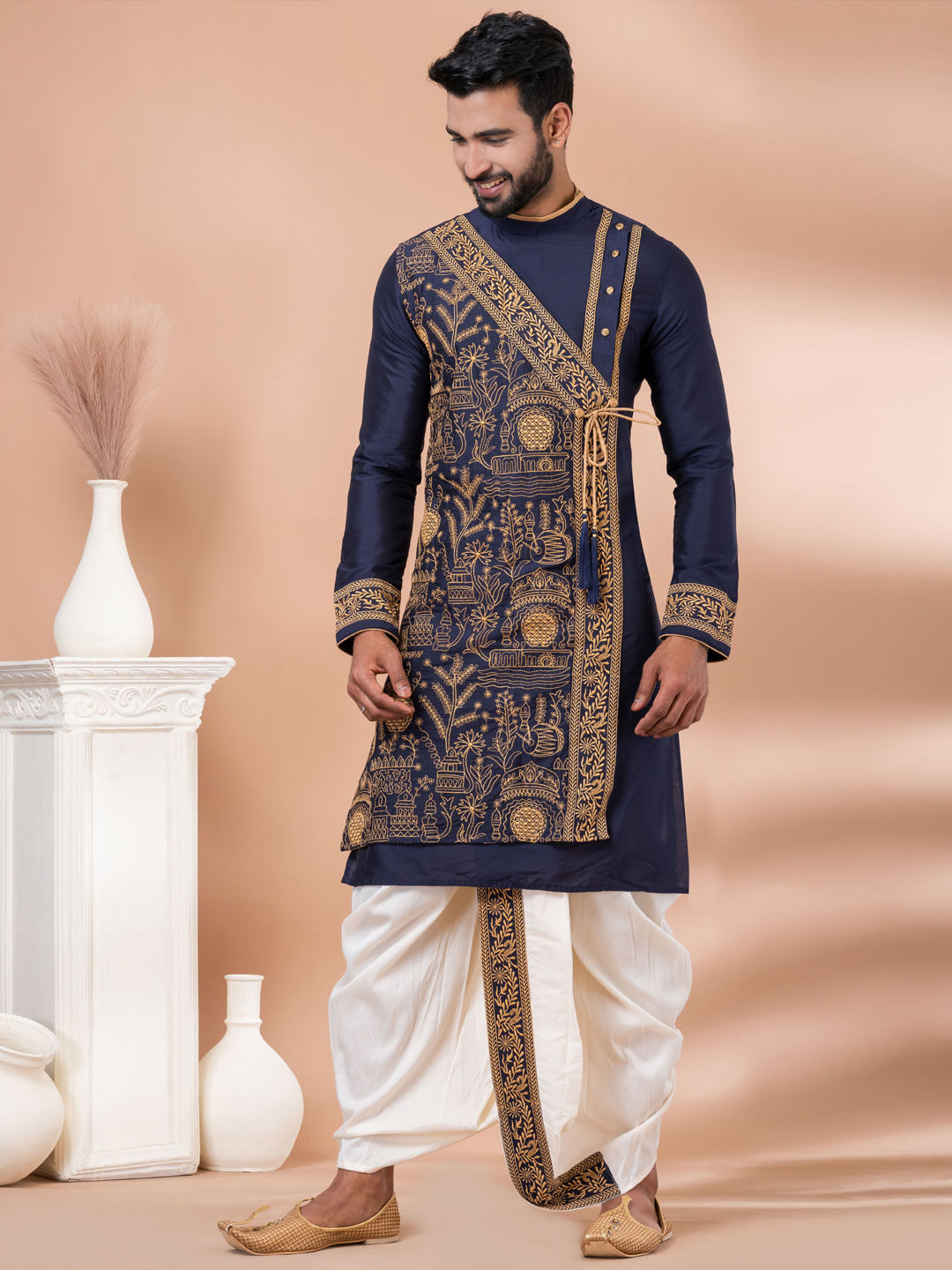
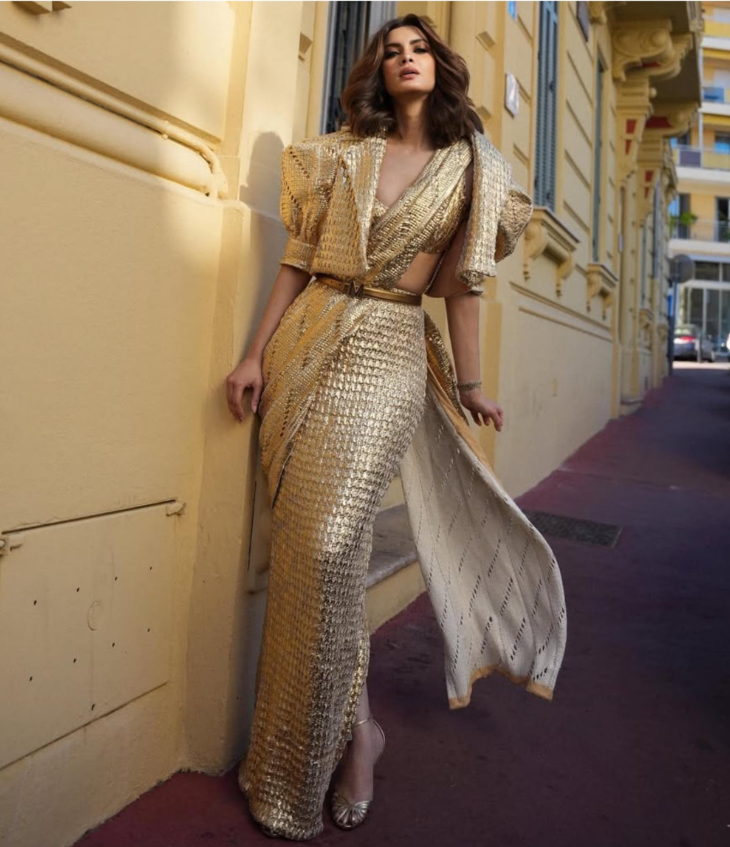
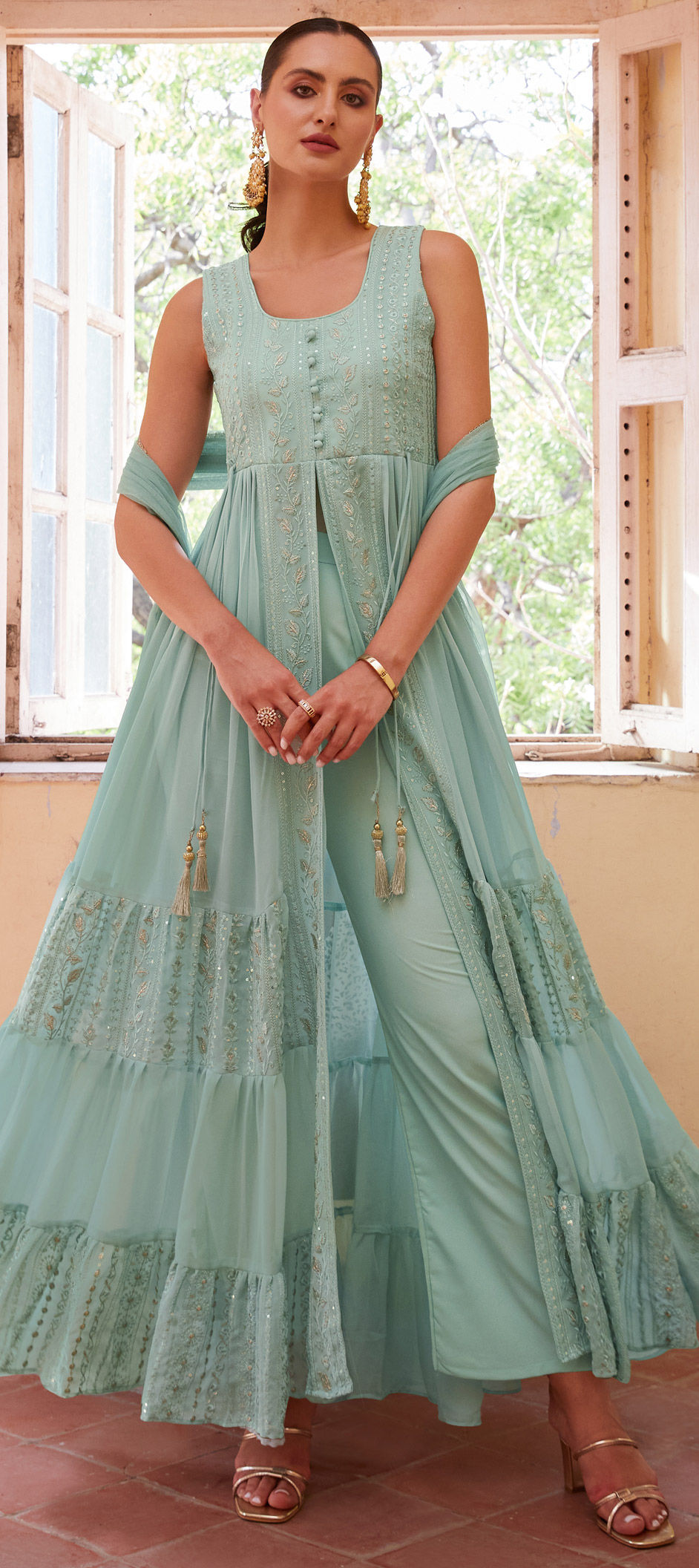
The modern office environment requires employees to wear power attire which extends beyond conventional blazers and trousers. The saree exists as a timeless piece of fashion which provides working women with an elegant yet versatile option to express their cultural heritage while asserting their professional authority. The proper combination of fabric and draping techniques and styling elements will enable a saree to create an attractive professional appearance which gives off a powerful executive presence.
Top 10 Saree Styles that Exude Confidence, Sophistication, and Effortless Charm
If you want to update your office fashion collection we present 10 saree styles which display confidence and elegant sophistication and natural beauty.
1. The Classic Cotton Saree
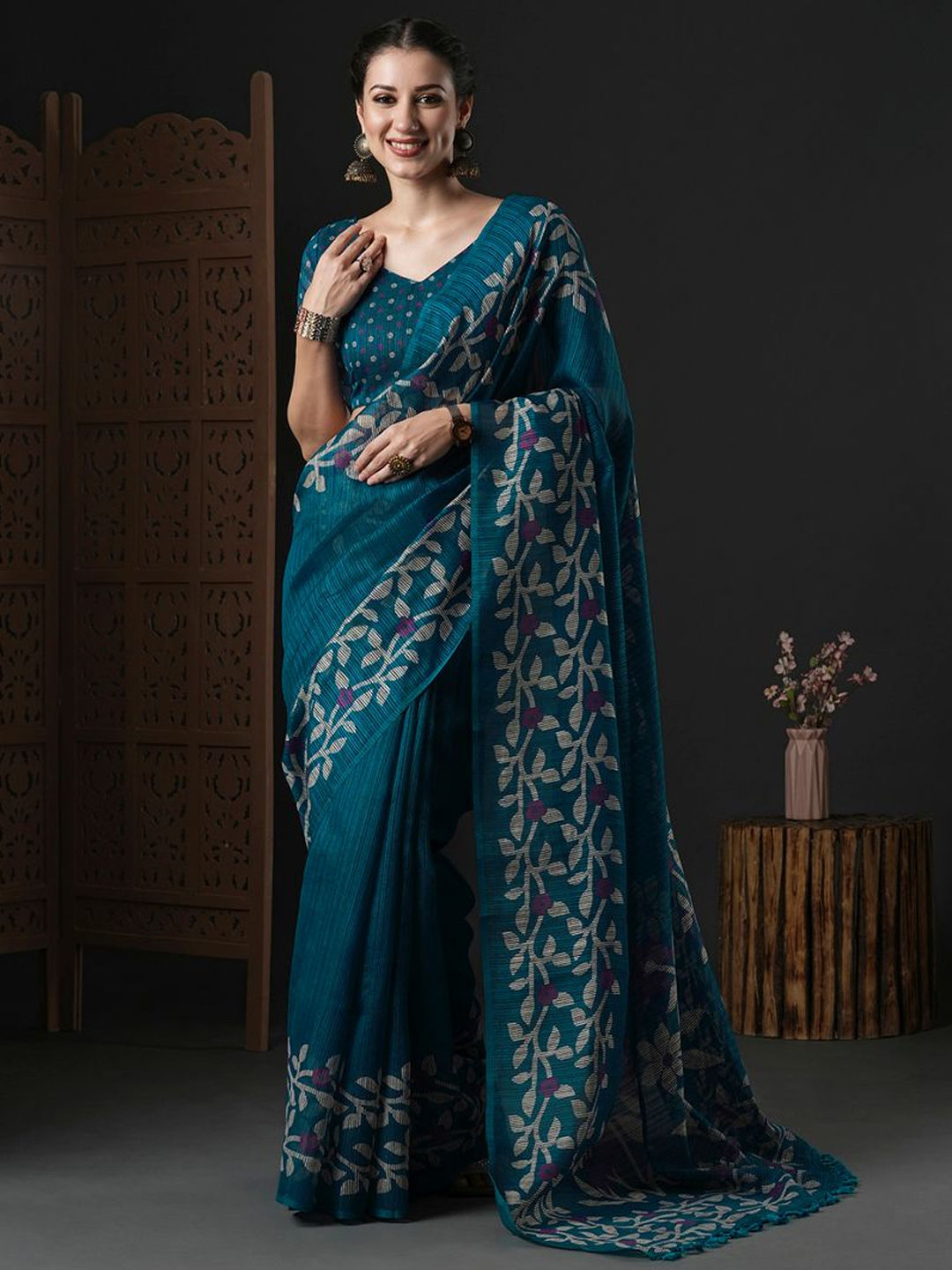
A crisp cotton saree shows professionalism better than anything else. The cotton saree provides comfort during extended work hours because it combines lightweight materials with breathable fabric and structured design. Combining a well-fitting blouse from tight material, and almost no decorations; one can see to it that they attain sophistication without any effort at all. To avoid the dull outfit, it is better to mix different colors, hues, and prints if the dressing is not conservative.
2. Linen Saree for Minimalist Power
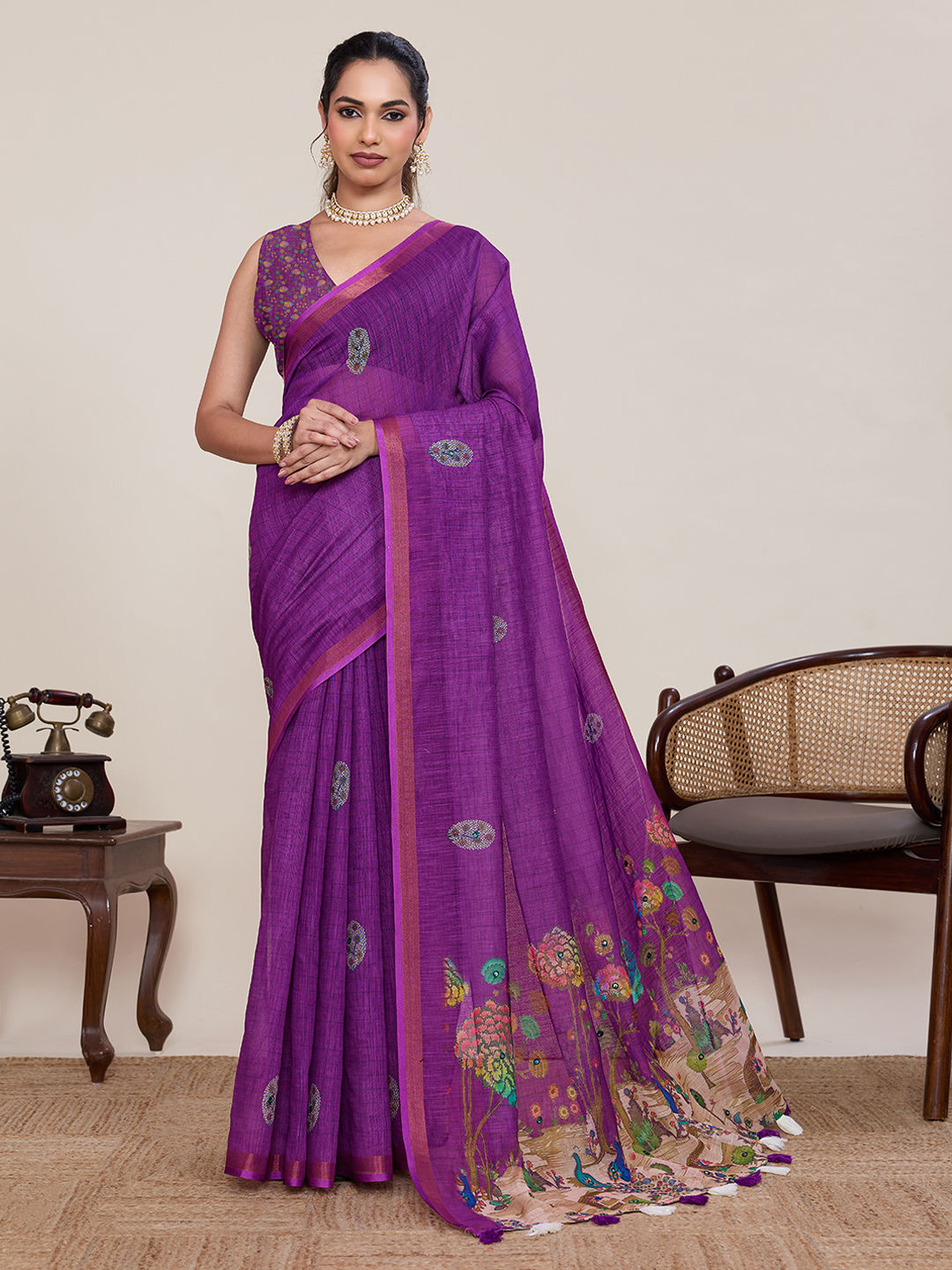
For today’s contemporary women, linen sarees have rightfully earned the reputation of being the ultimate workplace wear. They neither possess any imperfections nor leave any unfinished edges. They are not an inch so close to the comfort that offers and in this case the stylish finishing is also excellent. Colors which could easily be considered neutral such as the color ivory which is white on the other hand, olive, which also is considered as yellow and lastly but not least the dusty pink, these all make corporate dressing simple and smart.
3. Solid Color Saree with Statement Blouse
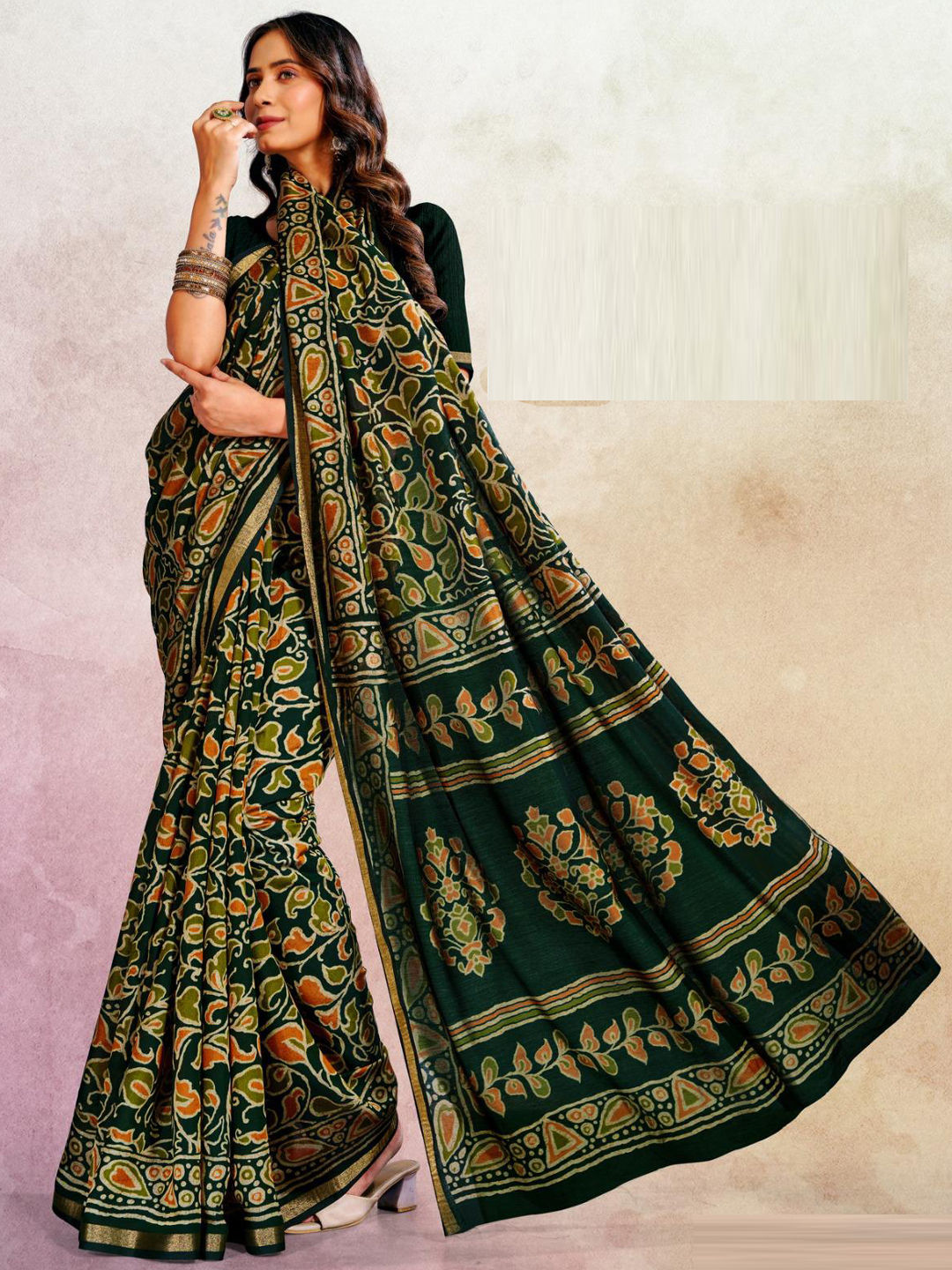
The combination of a solid color saree with a statement blouse creates a fashionable and refined appearance which works for all types of events. The combination of a black saree and deep-neck blouse together with a navy blue saree and embellished designer blouse creates a contemporary yet elegant appearance. The saree’s basic design structure enables the blouse to become the main visual focus which makes the outfit suitable for weddings parties and festive celebrations.
4. Subtle Printed Sarees
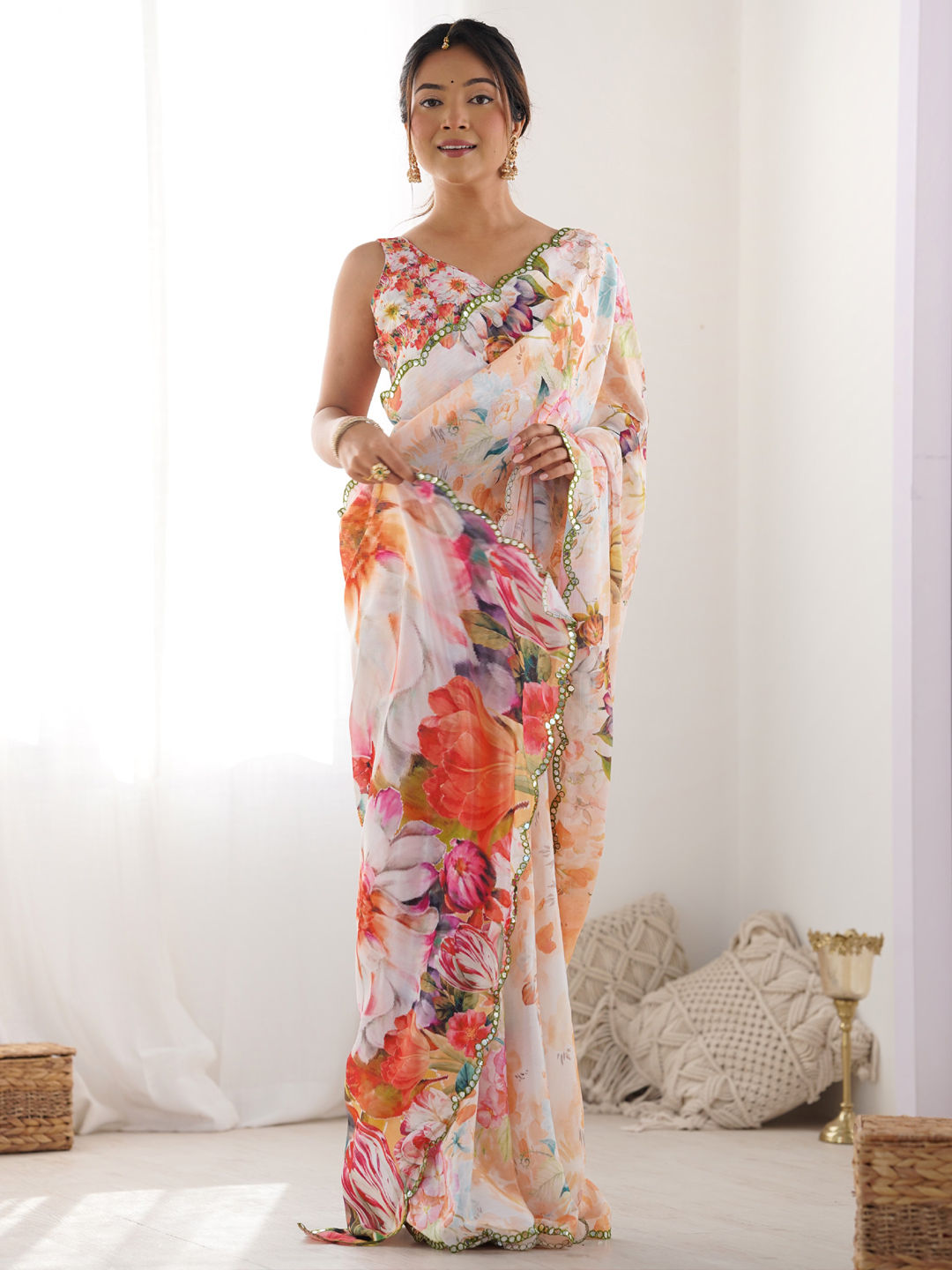
Graceful, intricate, and detailed patterns are dominating our fashion industry today like print design sarees. Patterns such as florals, geometric prints, abstract designs and more often than not, suit-work-appropriate due to the soft skin, soft prints work instead of loud ones , which can be overdone in everyday usage.
5. Chiffon or Georgette Sarees
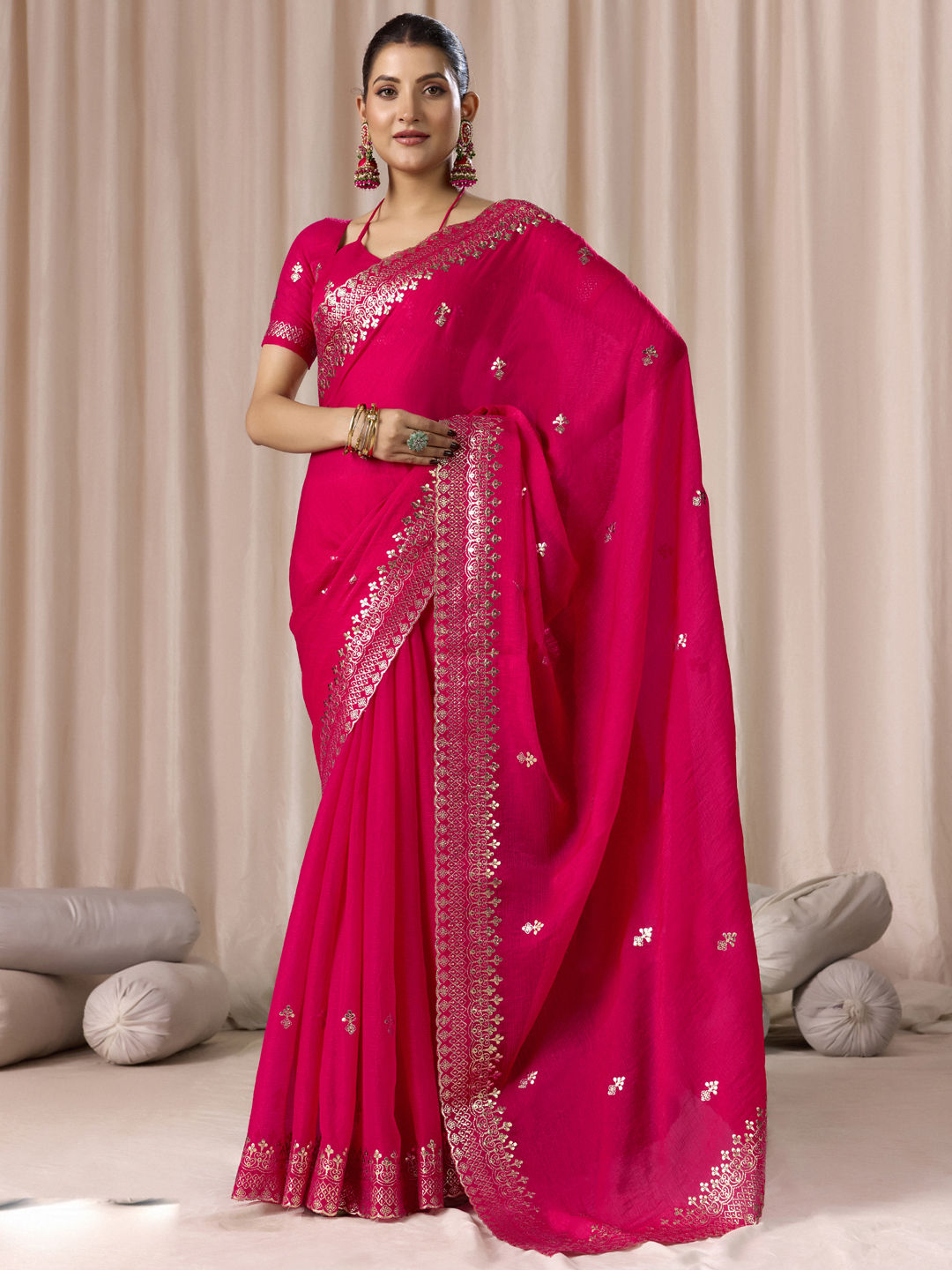
Gentle and flowy, chiffon and georgette sarees are perfect for those who like a smooth shape of clothing or a nice fall on the body. They hang in a good way and remain effortlessly ocular throughout the day. Choose plain colors or less decoration to wear to the office.
6. The Power Silk Saree
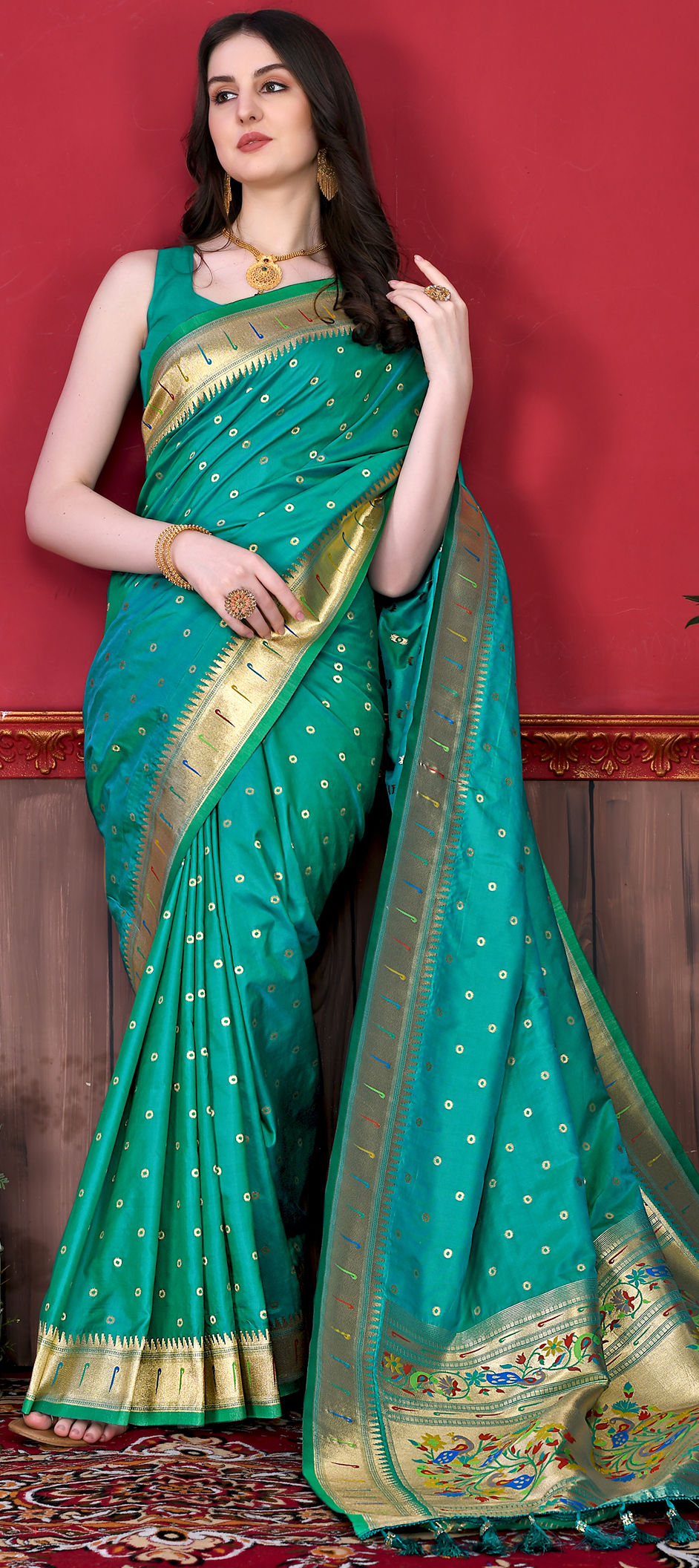
Meetings or presentations, where it is absolutely necessary to attend them, would require such formal attire. These make it so an office worker can command respect and looks, even if they are a man. Bold and deep colours like burgundy, emerald and royal shades can be fitted very nicely and have a very sophisticated or modern look during such formal events.
7. Striped Sarees for a Sharp Look
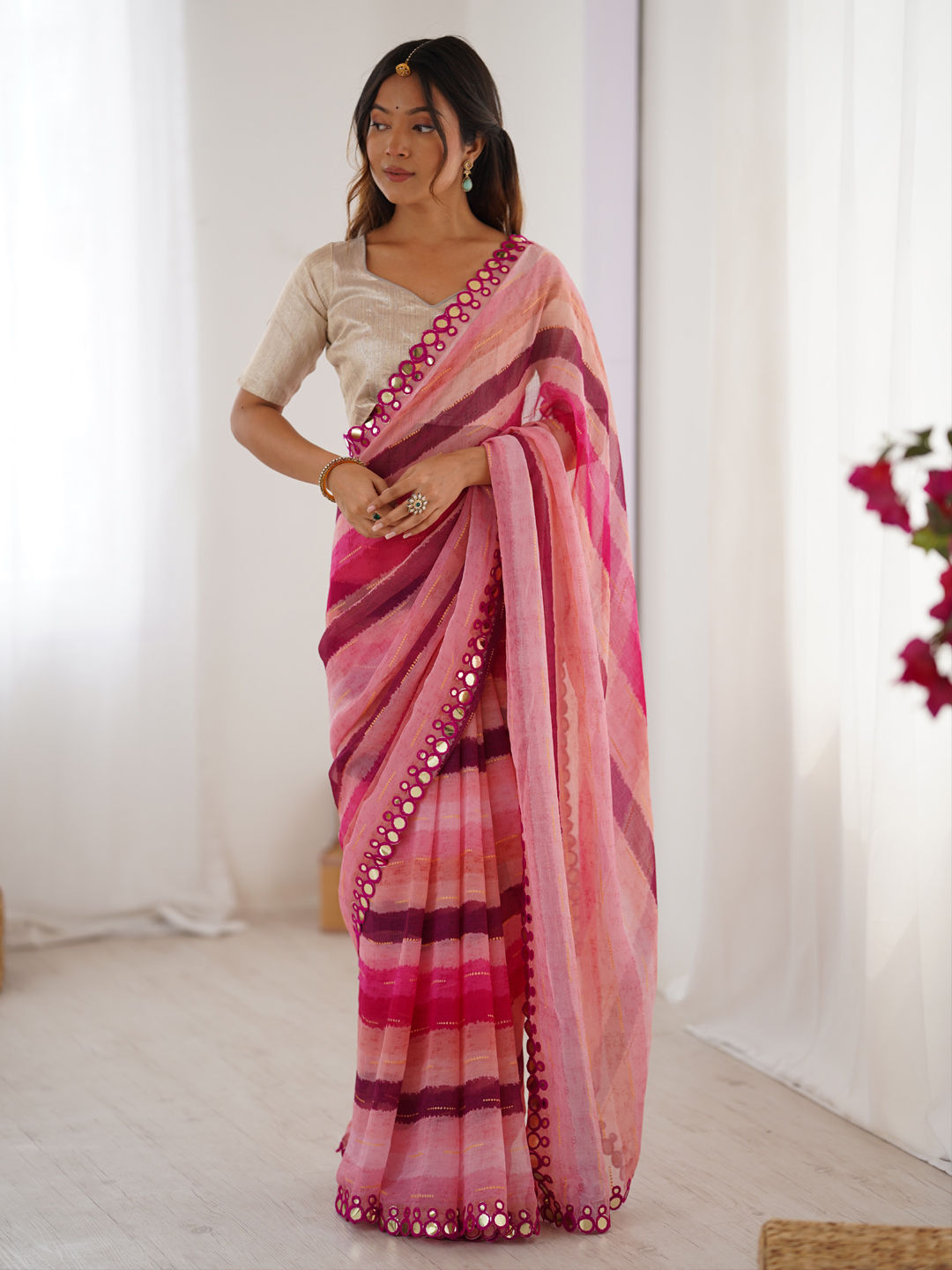
The presence of stripes implies an air of discipline and organization, values that are in most cases advantageous in a career. In particular, vertical stripes flatter the wearer by making them appear thinner and more elegantly dressed.
8. Handloom Sarees for a Sophisticated Edge
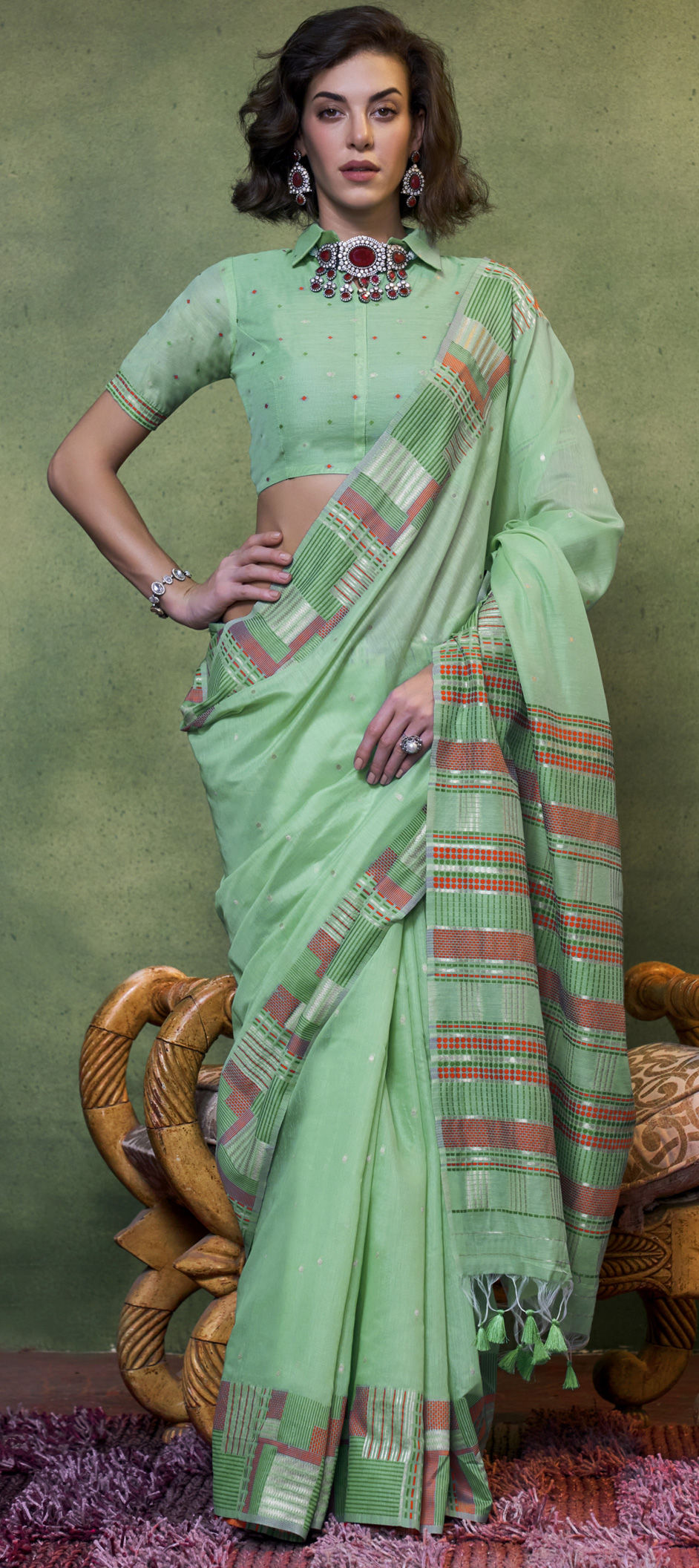
The authenticity and sophistication which are brought with hand-loom sarees is absolutely incomparable. You can easily find khadi, tussar, or hand woven fabrics of cotton that have a character which is not found in any other clothing. These are the kinds of clothes one would wear in a corporate setting where one wants to make a quiet but bold statement.
9. Pre-Draped Sarees for Busy Mornings
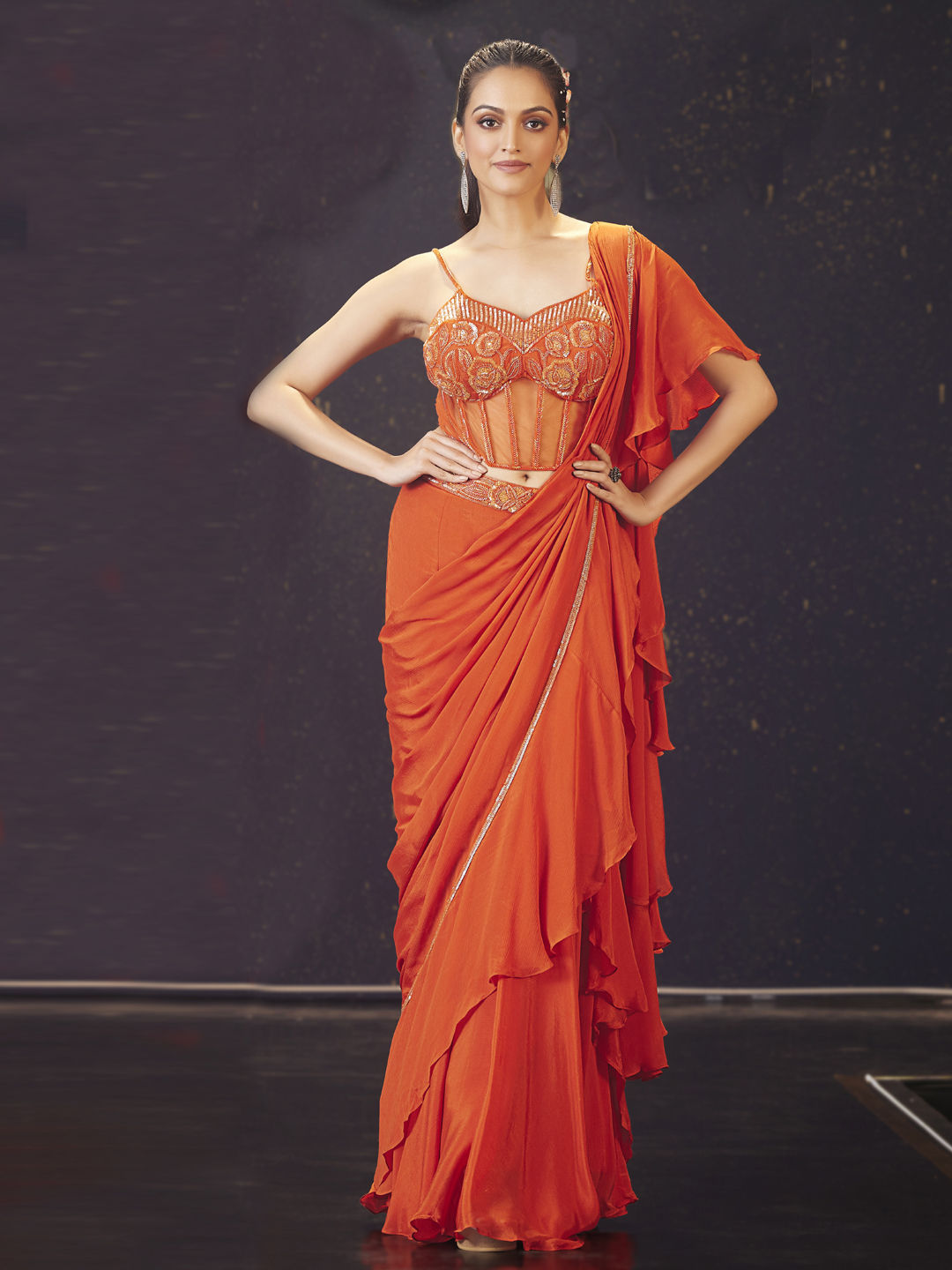
For women that are always on the go, pre-stitched sarees happen to be the most fashionable invention that can be worn not only for the comfort and ease of wearing, but within no time too. In times of distress, such products can be a game-changer since beautiful and trendy looks in minutes do not require a second thought to create a good impression.
10. Belted Saree for a Contemporary Twist
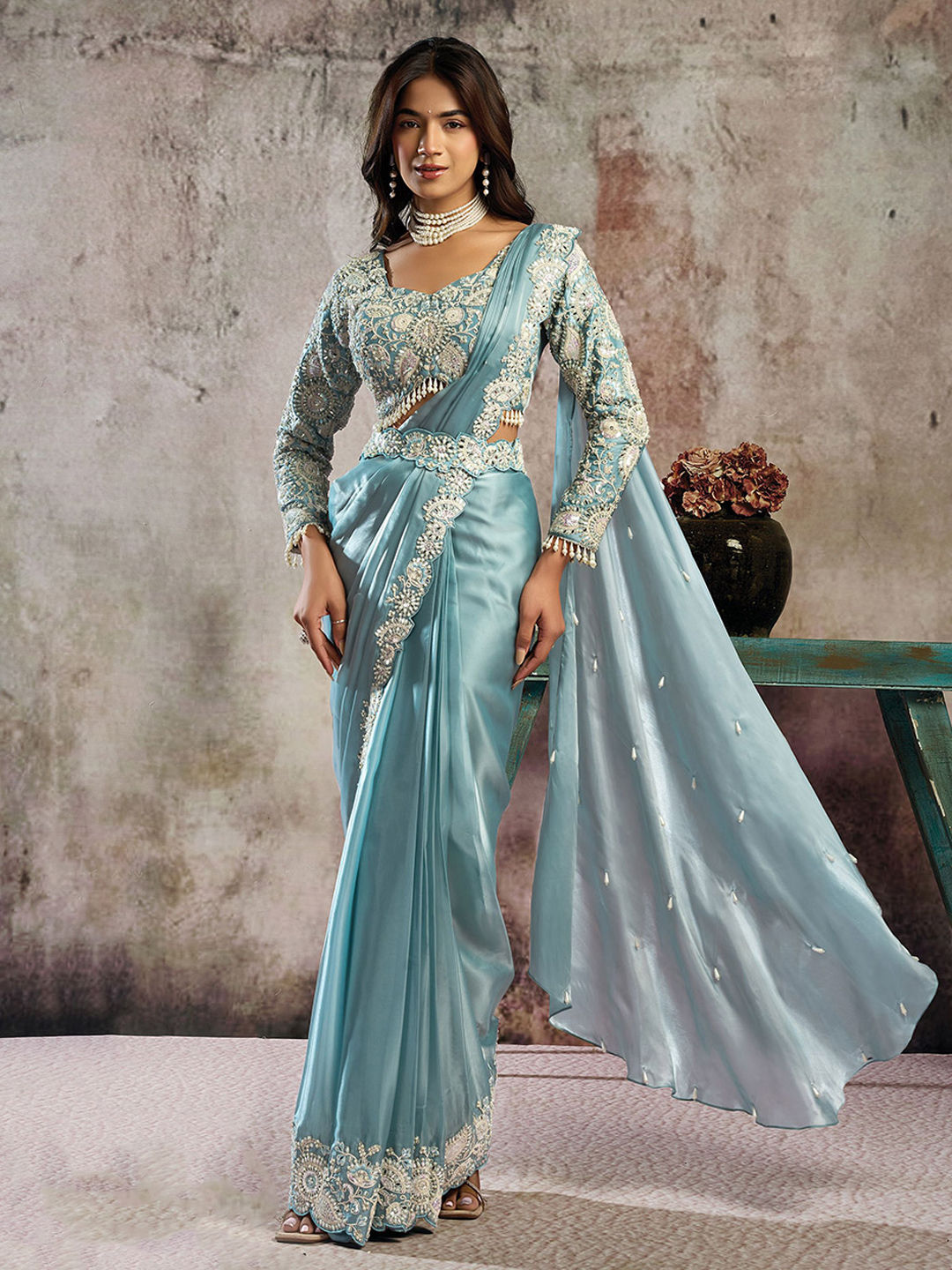
Wear a nice waistband with your saree which augments the slim curve creating a stunning and contemporary fashion. This fashion is indeed a back straightening one with a touch-of-feeling-smart outlook. As for wearing a sari in the office, especially when it is crisp and clean, little or no wide belts at all.
Styling Tips to Complete Your Boss Lady Look
- Blouse Matters: Go for blouses that are well cut such as boat necks, high necks or button down collars to wear to the office.
- Minimal Accessories: Choose simple fashion jewelry like stud earrings, a wrist watch or a thin chain.
- Footwear Selections: Close-toe heeled shoe, block heel or fashionable flats will do justice to your look.
- Hairstyle: It is best to keep a middle or low bun, flat and straight hair or low ponytail for the professional look.
- Makeup: Go with a soft skin tone and keep the lips neutral or use lip gloss of very light shades for a well polished look.
Read more – Best Indian Outfit Deals This Summer: Save Big In Style
Final Words
A saree has moved from being a traditional clothing item to being a proud statement of independence and assertive character when worn during business meetings or conferences. Given that you dress appropriately and choose proper ones for your size, it is not hard to feel like a lady boss when reporting to work any day of the week.
You would rather go in for the cotton saree or the silk one. On the contrary, the modern young working lady has other ideas, for she has the comfort of pre-draped styles which she can wear virtually instantly. The saree has become popular now with more and more women wearing it, defeating the traditional concepts of professional attire in one’s own office space.
How can I style a saree for a corporate office look?
Choose subtle prints, solid colors, or elegant weaves paired with structured blouses, minimal jewellery, and neat draping styles. Adding a watch, tote bag, or block heels can instantly enhance the professional vibe.
What blouse styles work best for office sarees?
High-neck, boat-neck, collared, elbow-sleeve, and structured blouses create a sophisticated office-ready look. Neutral shades and tailored fits add extra elegance.
What type of saree is comfortable for all-day office wear?
Cotton sarees, linen sarees, and soft georgette sarees are among the most comfortable options for everyday office wear because they are easy to manage and breathable.
How do I make a saree look modern for office fashion?
Pair your saree with contemporary blouse designs, belts, smart handbags, or sleek accessories. Experimenting with clean pleats and modern draping styles also creates a chic corporate look.